
 English
 Français
 Español
 العربية
 繁体中文
 简体中文


UAE eCall Regulation – UAE.S 5019:2024 & GCC Proposal
UAE eCall Requirements: Understanding the Mandatory Standard and the New GCC Regulatory Proposal
The United Arab Emirates is taking a more structured approach to vehicle emergency call requirements. For automotive manufacturers exporting vehicles to the UAE, eCall compliance is becoming an important part of the vehicle approval process.
There are two regulatory developments worth watching: the existing UAE national requirement and a new GCC-level technical regulation proposal notified in 2026.
UAE.S 5019:2024 Replaces the Previous Standard
Under UAE Cabinet Resolution No. 84 of 2024, the technical requirements for eCall in vehicles, UAE.S 5019:2024, became a mandatory technical regulation.
The resolution also repealed the previous UAE.S 5019:2018 edition.
This means manufacturers should not simply rely on older compliance documentation without checking whether it covers the updated requirements.
For vehicle projects targeting the UAE, the applicable standard and approval route should be confirmed before final validation.
A New GCC eCall Proposal in 2026
Another important development came in June 2026.
The UAE, Saudi Arabia, Bahrain, Kuwait, Oman, Qatar and Yemen jointly notified the WTO of a proposed GCC technical regulation titled:
Vehicles – eCall Emergency Calls Technical Requirements.
The proposed regulation covers:
Passenger vehicles with no more than eight passenger seats in addition to the driver's seat
Light-duty vehicles with a maximum weight of 3,500 kg
Vehicles manufactured or imported for registration and licensing in GCC countries
Small-series vehicles are exempted under the notified proposal.
As of November 2026, the notification lists the proposed adoption and entry-into-force dates as still to be determined. It should therefore be treated as a regulatory proposal, not an already effective GCC-wide requirement.
What Does This Mean for Vehicle Manufacturers?
The direction is clear: regional alignment is becoming more important, but manufacturers still need to distinguish between national requirements and proposed GCC-level rules.
For engineering teams, several areas deserve attention:
System configuration: Check whether the eCall hardware and software meet the applicable national requirements.
Communication performance: Evaluate cellular connectivity, emergency call establishment and data transmission.
Vehicle integration: Confirm that manual and automatic activation work correctly with the vehicle's electrical and electronic architecture.
Documentation: Keep the test evidence aligned with the applicable market, standard edition and production configuration.
Prepare for Both Current and Future Requirements
For manufacturers targeting multiple Gulf countries, it is worth reviewing the existing national standards while monitoring the progress of the proposed GCC regulation.
Blue Asia Labs provides automotive testing and technical compliance support, helping manufacturers assess vehicle electronic systems and prepare for market-specific requirements.
Understanding the regulatory position today can make future GCC market expansion much easier.
 ブログ
Why Two-Wheelers Are Becoming As Complex As Passenger Cars
記事を読む
 ブログ
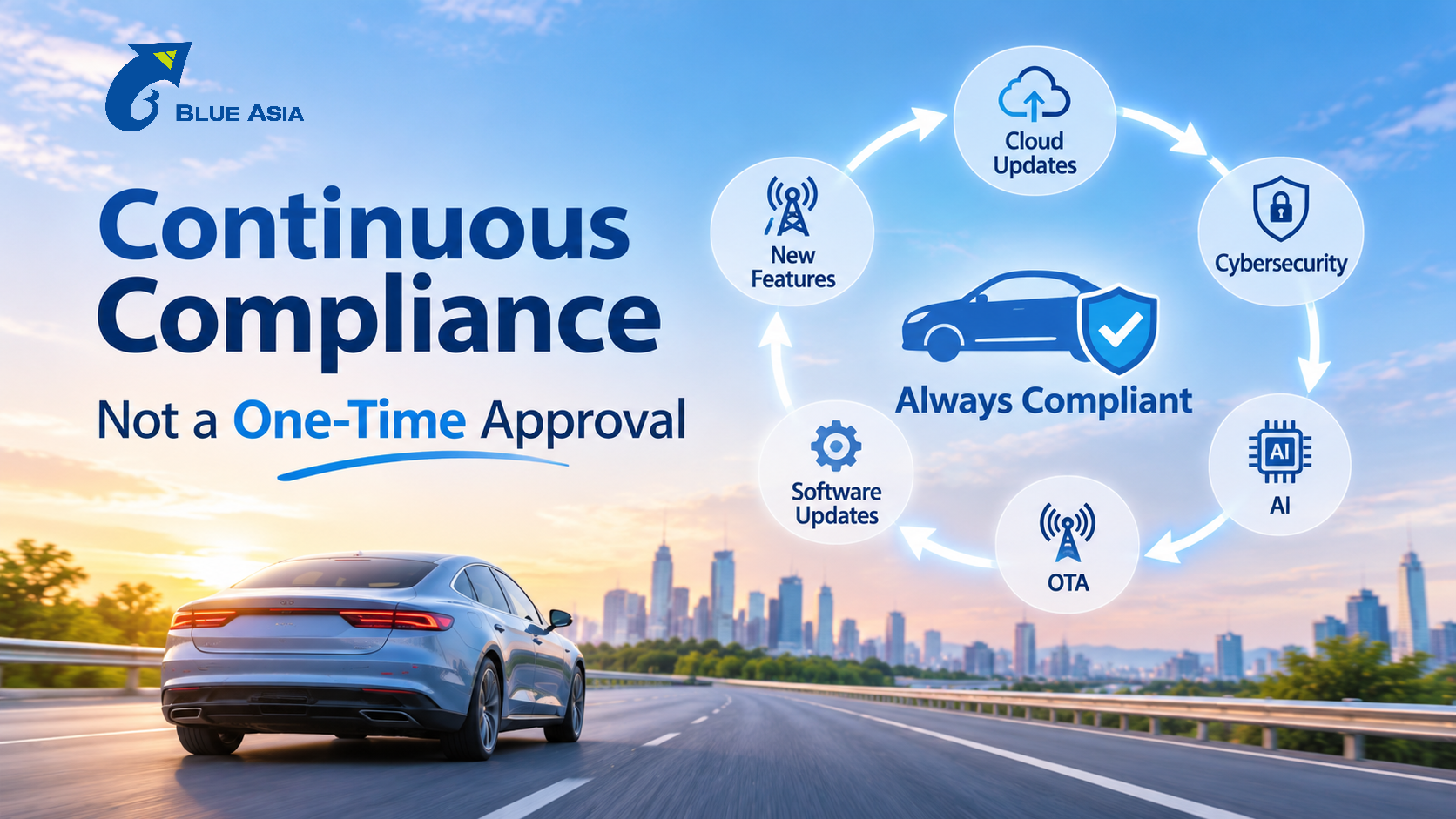
Why Future Vehicle Certification Will Be Continuous Instead of One-Time Approval
記事を読む
 ブログ
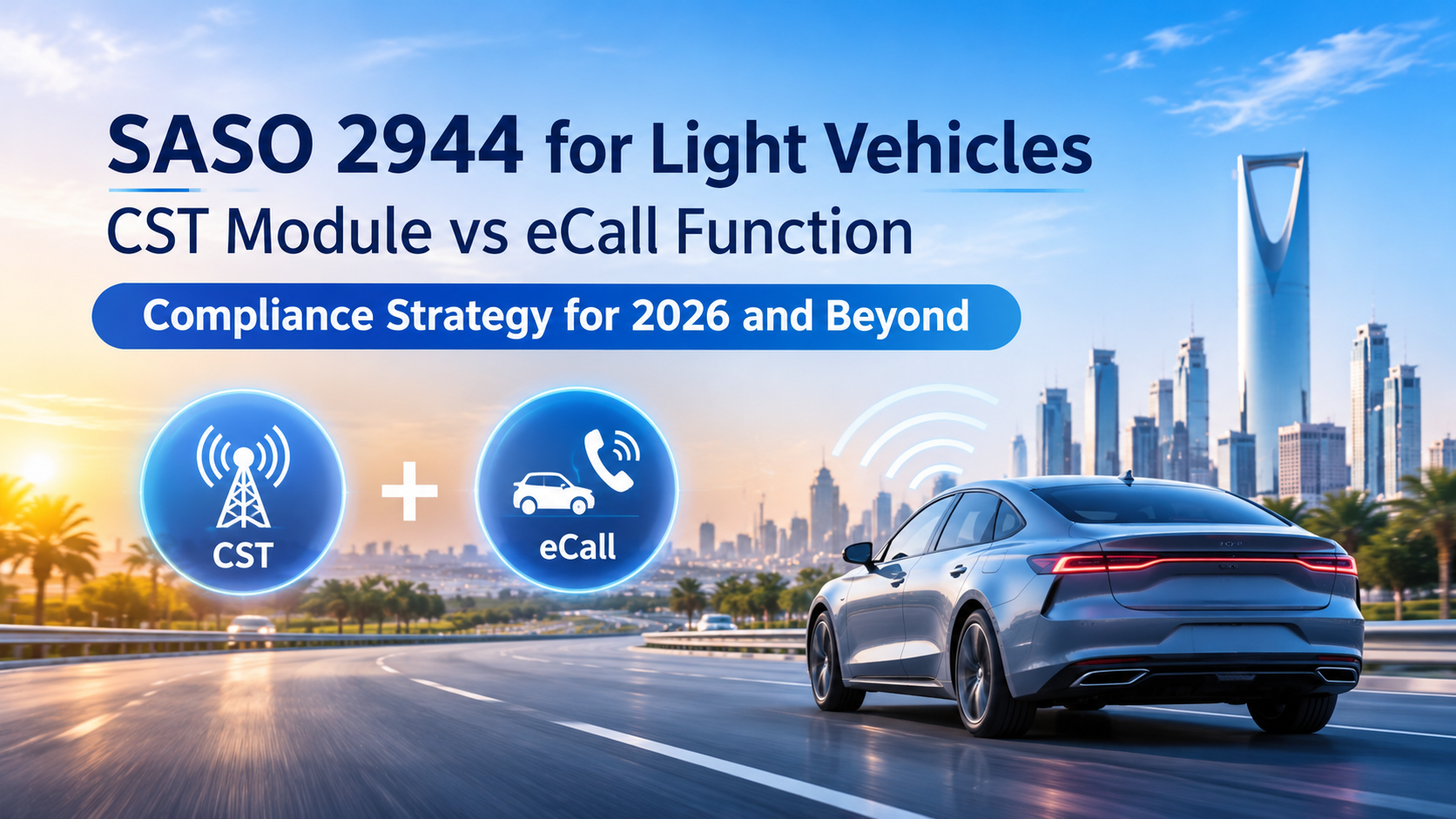
Saudi SASO 2944 for Light Vehicles: How to Separate CST Module RF Approval from Vehicle-Leve
記事を読む
 ブログ
Adding 4G/5G eCall to an Existing Vehicle? The Hard Part Is Not the Cellular Module.
記事を読む
 ブログ
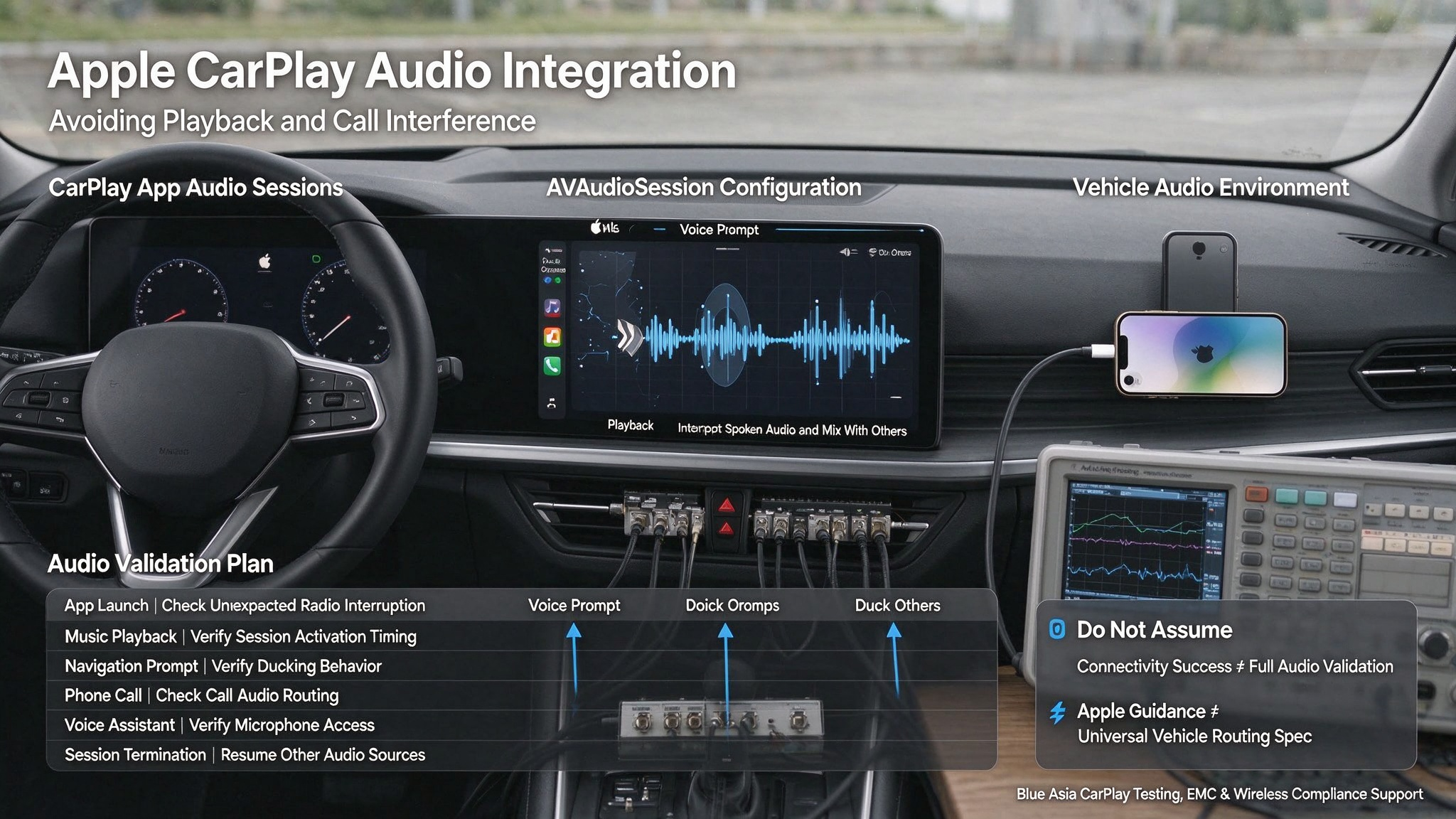
Apple CarPlay Audio Integration: How to Avoid Playback and Call Interference
記事を読む
 ブログ
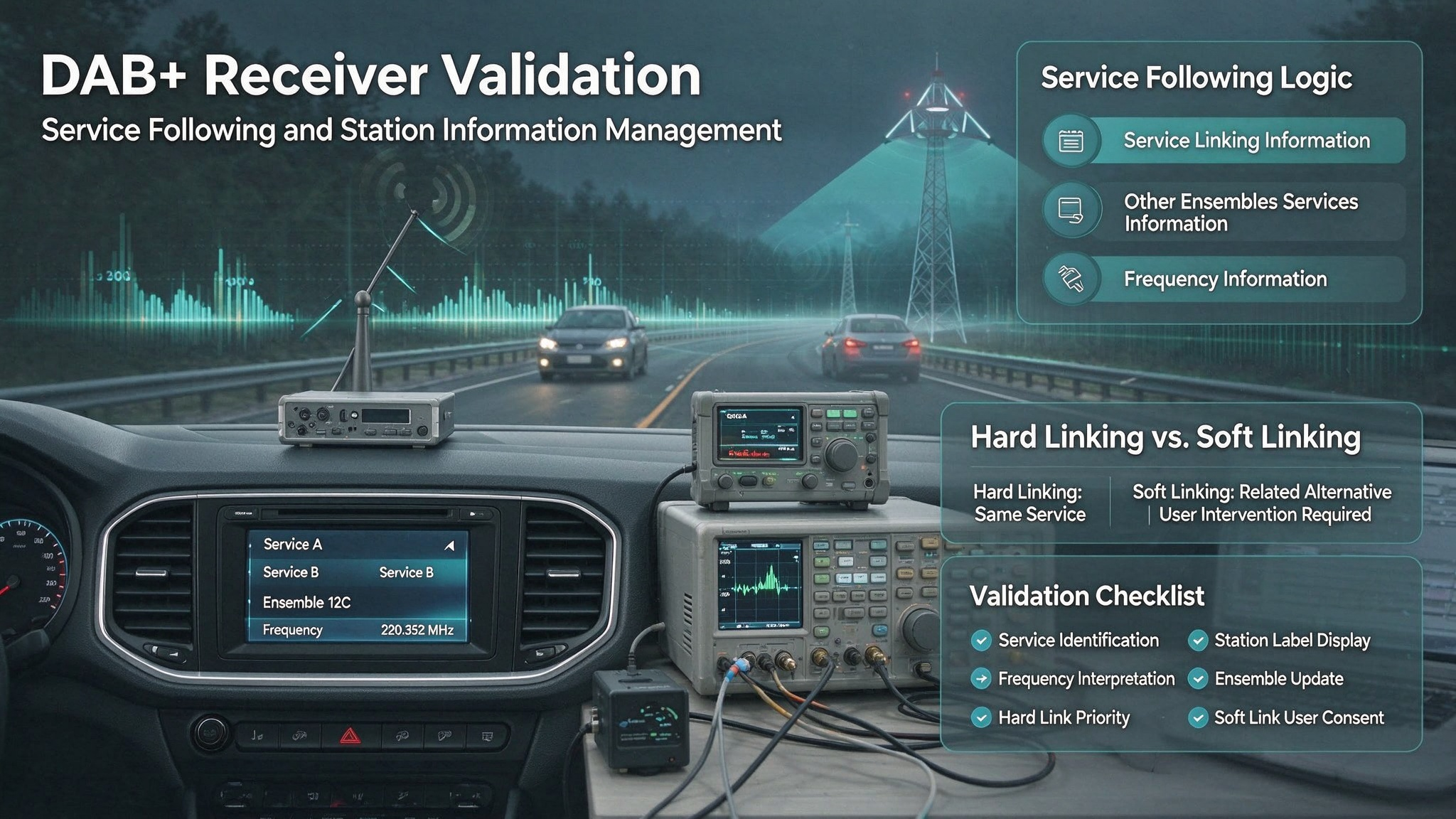
DAB+ Receiver Validation: How to Manage Service Following and Station Information
記事を読む
関連サービス

 4000259520