
 English
 Français
 Español
 العربية
 繁体中文
 简体中文


Your Automotive Wi-Fi Works in China. What Happens When You Enable 6 GHz for Europe or the US?
Your Automotive Wi-Fi Works in China. What Happens When You Enable 6 GHz for Europe or the US?
The Wi-Fi module is already certified.
The product passed testing in China.
The hardware has not changed.
The same chipset is being used.
So your team enables Wi-Fi 6E or Wi-Fi 7 for a new market and expects the existing compliance evidence to cover the vehicle.
Then the certification team asks:
“Which 6 GHz configuration are you using for this market?”
That is where many automotive connectivity projects become complicated.
The problem is not necessarily the Wi-Fi module.
The problem is the configuration.
For automotive products, Module Approval ≠ Host Configuration ≠ Market Approval.
Why 6 GHz Makes Global Wi-Fi Compliance More Complicated
Traditional automotive Wi-Fi products often focus on:
2.4 GHz + 5 GHz
With Wi-Fi 6E and Wi-Fi 7, 6 GHz becomes part of the product configuration.
But 6 GHz is not simply:
“Enable the band and use the same test report.”
The permitted spectrum, power conditions, channel configuration and operational requirements can differ by market.
In the EU, the harmonised Wi-Fi spectrum includes 5945–6425 MHz, and the European Commission has continued updating the technical conditions for WAS/RLAN use.
In the US, the FCC framework covers the 5.925–7.125 GHz 6 GHz band through different device classes and operating conditions. In 2026, the FCC also adopted additional rules for geofenced variable-power devices.
So the real question for an automotive product is not:
“Does the module support Wi-Fi 6E?”
It is:
“Which Wi-Fi configuration is enabled in this vehicle for this market?”
The Automotive Wi-Fi Compliance Chain
For a connected vehicle, I would look at the complete chain:
Wi-Fi Chipset
↓
RF Module
↓
Antenna
↓
Host Hardware
↓
Firmware / Driver
↓
Country Configuration
↓
2.4 / 5 / 6 GHz Channels
↓
Power Configuration
↓
DFS / Channel Restrictions
↓
Bluetooth Coexistence
↓
Cellular / GNSS Coexistence
↓
Vehicle EMC
↓
Market Approval
This is why simply purchasing a pre-certified Wi-Fi module does not automatically eliminate the need to review the final automotive product.
1. Module Approval Is Not the Same as Host Approval
This is one of the first questions I would ask an automotive manufacturer:
“What exactly was covered by the module's original approval?”
You need to know:
Which frequency bands?
Which channels?
Which bandwidths?
Which antenna?
Which maximum power?
Which firmware?
Which operating modes?
Which host configuration?
Which regional restrictions?
A module tested with one antenna and one power configuration cannot automatically be assumed to cover every vehicle implementation.
The moment the module becomes part of a connected cockpit, head unit, telematics system or automotive hotspot, the final configuration needs to be reviewed.
2. 6 GHz Is a Configuration Problem Before It Is a Testing Problem
Imagine the same automotive infotainment system is sold in three markets.
Market A
2.4 GHz + 5 GHz
Market B
2.4 GHz + 5 GHz + lower 6 GHz
Market C
2.4 GHz + 5 GHz + a different 6 GHz configuration
The hardware may be identical.
But the compliance configuration may not be.
That means your engineering team needs a country-specific RF configuration matrix rather than one generic statement:
“Wi-Fi 6E supported.”
Automotive Wi-Fi Global Compliance Checklist
Before starting global certification, I recommend checking at least these items:
| Area | Question |
|---|---|
| 2.4 GHz | Which channels and power levels are enabled? |
| 5 GHz | Are DFS channels enabled? |
| 6 GHz | Which 6 GHz channels are enabled in each market? |
| Bandwidth | 20 / 40 / 80 / 160 MHz configuration? |
| Power | Is the configured power within the applicable market limits? |
| Antenna | Is the production antenna identical to the tested configuration? |
| Firmware | Does firmware automatically select country-specific settings? |
| Host | Has the Wi-Fi module been integrated into the final host? |
| Bluetooth | Is BT/Wi-Fi coexistence validated? |
| Cellular | Can LTE/5G transmissions affect Wi-Fi performance? |
| GNSS | Can Wi-Fi operation affect GNSS reception? |
| EMC | Has the final automotive configuration been evaluated? |
| OTA | Can a future software update change RF parameters? |
| Market | Does the final configuration match the target-country approval? |
This checklist is especially important for Wi-Fi 6E / Wi-Fi 7 automotive products, because software can change the active RF configuration without changing the PCB.
3. Firmware Can Change Your Compliance Configuration
This is becoming increasingly important for Software-Defined Vehicles.
Suppose the hardware remains unchanged.
An OTA update changes:
Enabled channels
Country code
Maximum TX power
Band steering
DFS behavior
Wi-Fi 7 features
MLO configuration
Coexistence parameters
From a hardware perspective:
Nothing changed.
From a compliance perspective:
Something may have changed.
That does not mean every OTA update automatically requires retesting.
It means the manufacturer needs a compliance impact assessment before releasing the update.
This is where Wi-Fi compliance increasingly connects with UN R156, software configuration management and automotive cybersecurity processes.
4. Automotive Wi-Fi Is Not Operating Alone
A vehicle can contain several wireless systems simultaneously:
Wi-Fi
Bluetooth
LTE / 5G
GNSS
UWB
V2X
Keyless Entry
The question becomes:
Can all these systems operate reliably together?
For example:
A Wi-Fi hotspot may work perfectly in standalone testing.
After vehicle integration, the system may experience:
Reduced Wi-Fi throughput
Bluetooth audio instability
GNSS sensitivity degradation
Cellular coexistence problems
RF desense
Unexpected reconnects
EMC failures
This is why Automotive RF Testing and Automotive EMC Validation should be considered together rather than as completely independent activities.
5. Wi-Fi 7 Makes Configuration Control Even More Important
Wi-Fi 7 introduces capabilities such as:
Multi-Link Operation (MLO)
Wider channel bandwidths
Multi-band operation
Advanced throughput mechanisms
For automotive applications, this creates more configuration combinations.
A connected cockpit may support:
2.4 GHz + 5 GHz + 6 GHz
while the actual enabled configuration depends on:
Market + Firmware + Hardware + Antenna + Vehicle Variant
The more combinations you create, the more important your configuration baseline becomes.
Build a Global Wi-Fi Evidence Matrix
For automotive manufacturers, I recommend maintaining one matrix like this:
| Configuration | China | EU | US | Evidence |
|---|---|---|---|---|
| 2.4 GHz | ✓ | ✓ | ✓ | RF Report |
| 5 GHz | ✓ | ✓ | ✓ | RF Report |
| 6 GHz | Market-specific | ✓ / applicable configuration | ✓ / device class | Gap Review |
| DFS | Check | Check | Check | Test Evidence |
| Antenna | Production | Production | Production | RF Configuration |
| Firmware | Version A | Version A/B | Version A/B | Software Record |
| Bluetooth Coexistence | ✓ | ✓ | ✓ | Validation |
| Automotive EMC | ✓ | ✓ | ✓ | EMC Evidence |
The objective is not to test everything three times.
The objective is to answer:
Which existing evidence can be reused, and where is additional evidence actually required?
What Should Automotive Wi-Fi Teams Do Before Global Certification?
Before sending the final product for certification, I would ask:
1. Which Wi-Fi bands are actually enabled in each target market?
2. Is the production antenna identical to the tested antenna?
3. Is the RF power configuration controlled by firmware?
4. Are DFS and 6 GHz restrictions correctly implemented?
5. Can OTA updates change RF behavior?
6. Is Bluetooth coexistence validated?
7. Has cellular and GNSS coexistence been reviewed?
8. Does the final vehicle installation change EMC or RF performance?
9. Which module-level evidence can legally and technically be reused?
10. What additional testing is required for the final host configuration?
These questions should be answered before certification, not after a test failure.
Where BlueAsia Can Help
This is exactly where our integrated laboratory capability becomes valuable.
At BlueAsia, we can connect:
Wi-Fi Testing
Bluetooth Testing
RF Testing
Automotive EMC
Antenna / RF Configuration Review
Automotive Connectivity Validation
Vehicle Electronics Testing
Global Compliance Evidence Review
This is particularly relevant to:
Automotive OEMs
Tier 1 suppliers
Connected cockpit manufacturers
Infotainment / head-unit manufacturers
Automotive Wi-Fi module suppliers
Telematics manufacturers
Automotive hotspot developers
Rear-seat entertainment systems
Connected vehicle electronics companies
Instead of treating Wi-Fi, Bluetooth, RF, EMC and certification as separate projects, we help engineering teams understand how the final product configuration affects the global compliance strategy.
My Takeaway
The biggest mistake is to think:
“Our Wi-Fi module is certified, so our automotive product is covered.”
The better model is:
Module Approval
→ Host Integration
→ RF Configuration
→ Firmware
→ Antenna
→ Coexistence
→ Automotive EMC
→ Market-Specific Approval
→ OTA Change Control
For Wi-Fi 6E and Wi-Fi 7, global compliance is increasingly becoming a configuration-management problem, not simply a testing problem.
If your automotive product already works in China and you are preparing to enable 6 GHz, Wi-Fi 6E or Wi-Fi 7 for Europe, the US or other markets, review the configuration before assuming your existing evidence can be reused.
The question is not “Do we need to test again?”
It is:
“Which part of our existing compliance evidence is still valid for the new market and the new configuration?”
If you are developing Connected Cockpit, Infotainment, Automotive Wi-Fi, Wi-Fi 6E/Wi-Fi 7, Telematics or Connected Vehicle products, BlueAsia can help review the RF, EMC, coexistence and global certification path before formal testing.
Talk to BlueAsia Labs about your global automotive connectivity compliance strategy.
 ブログ
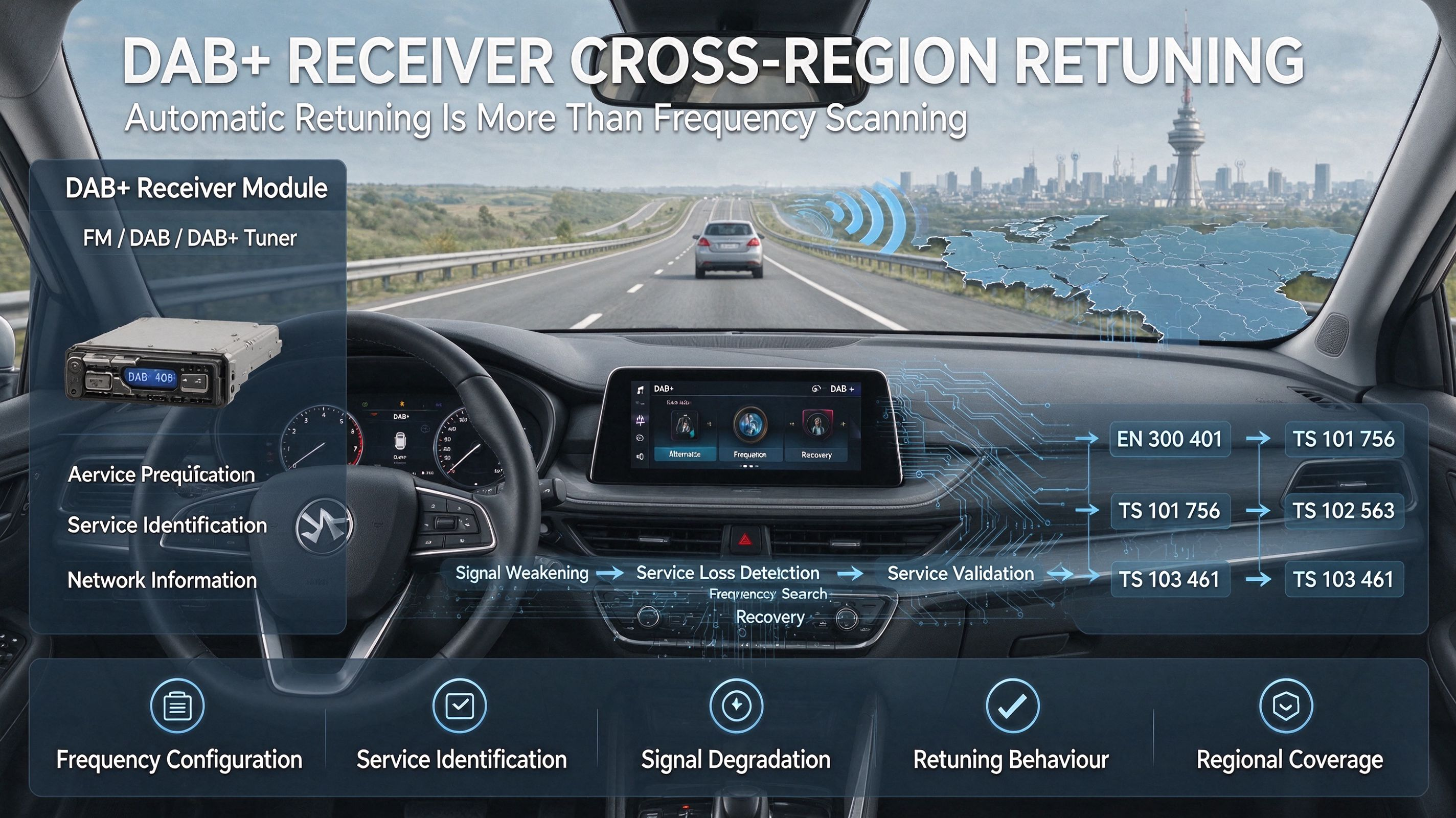
Does Your DAB+ Receiver Know When to Retune? Cross-Region Driving Can Expose Hidden Design I
記事を読む
 ブログ
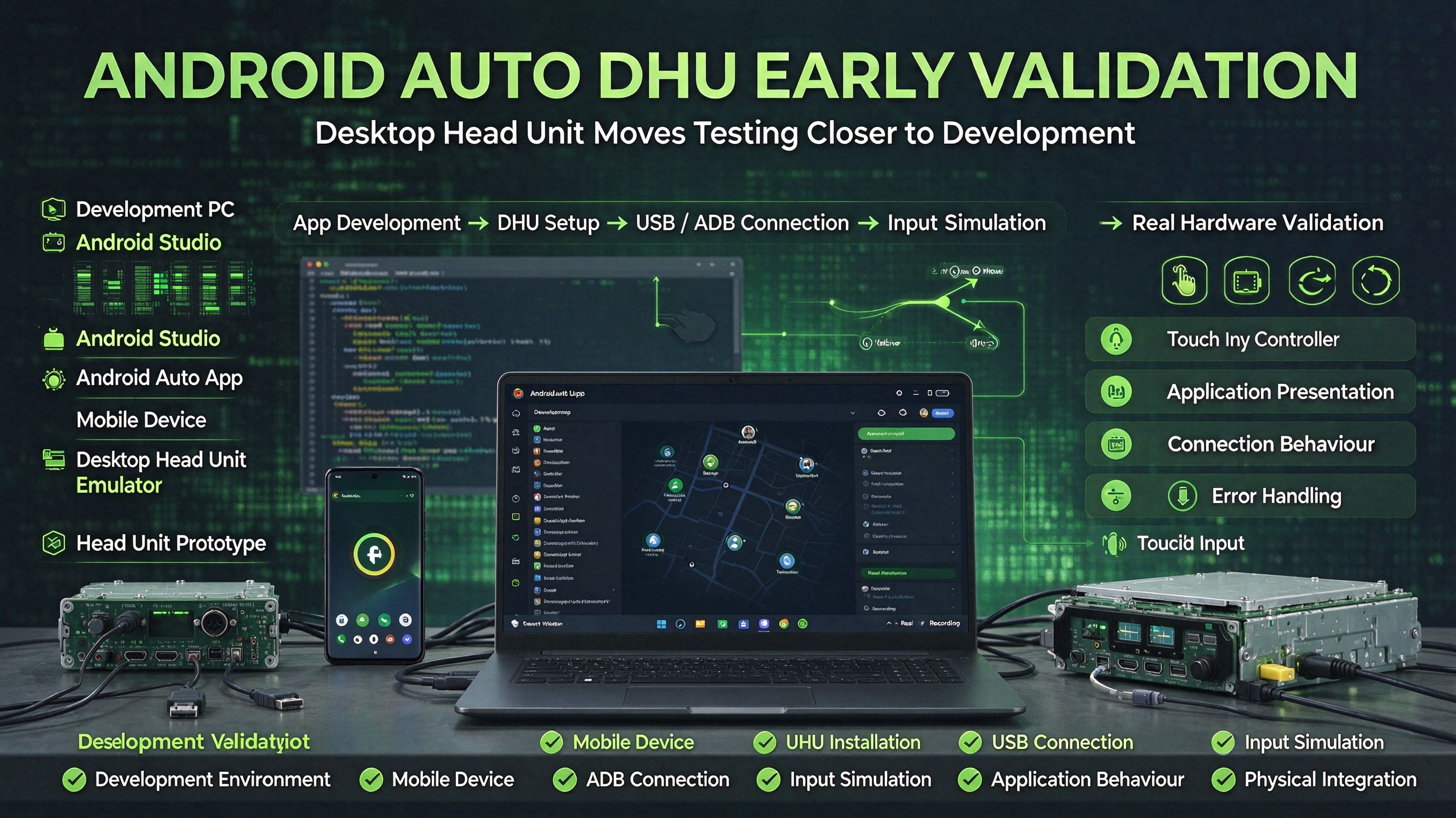
Are You Testing Android Auto Too Late? The Desktop Head Unit Can Help Move Validation Earlie
記事を読む
 ブログ
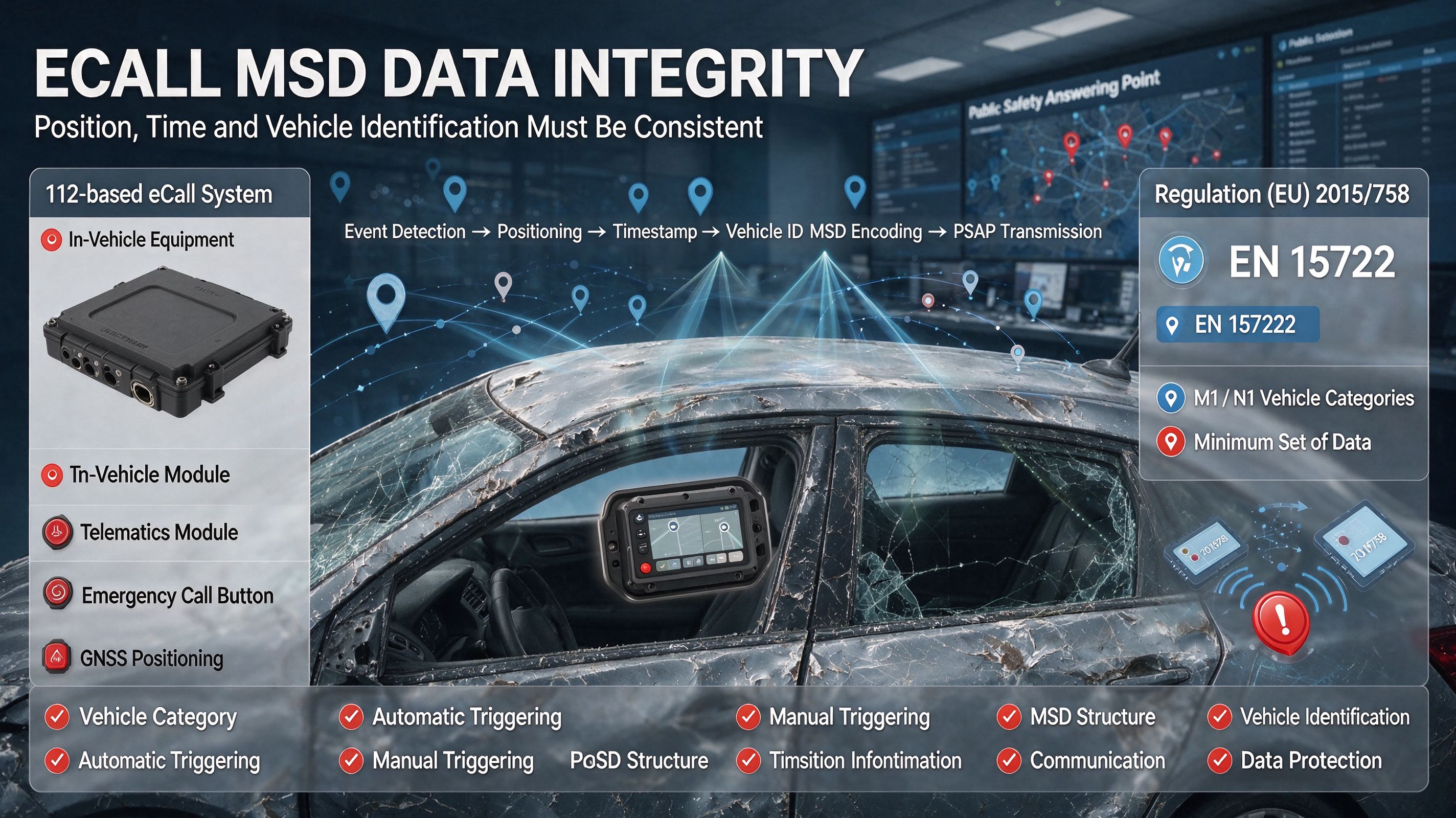
Can Your eCall System Transmit the Right Data? Position, Time and Vehicle Identification Mat
記事を読む
 ブログ
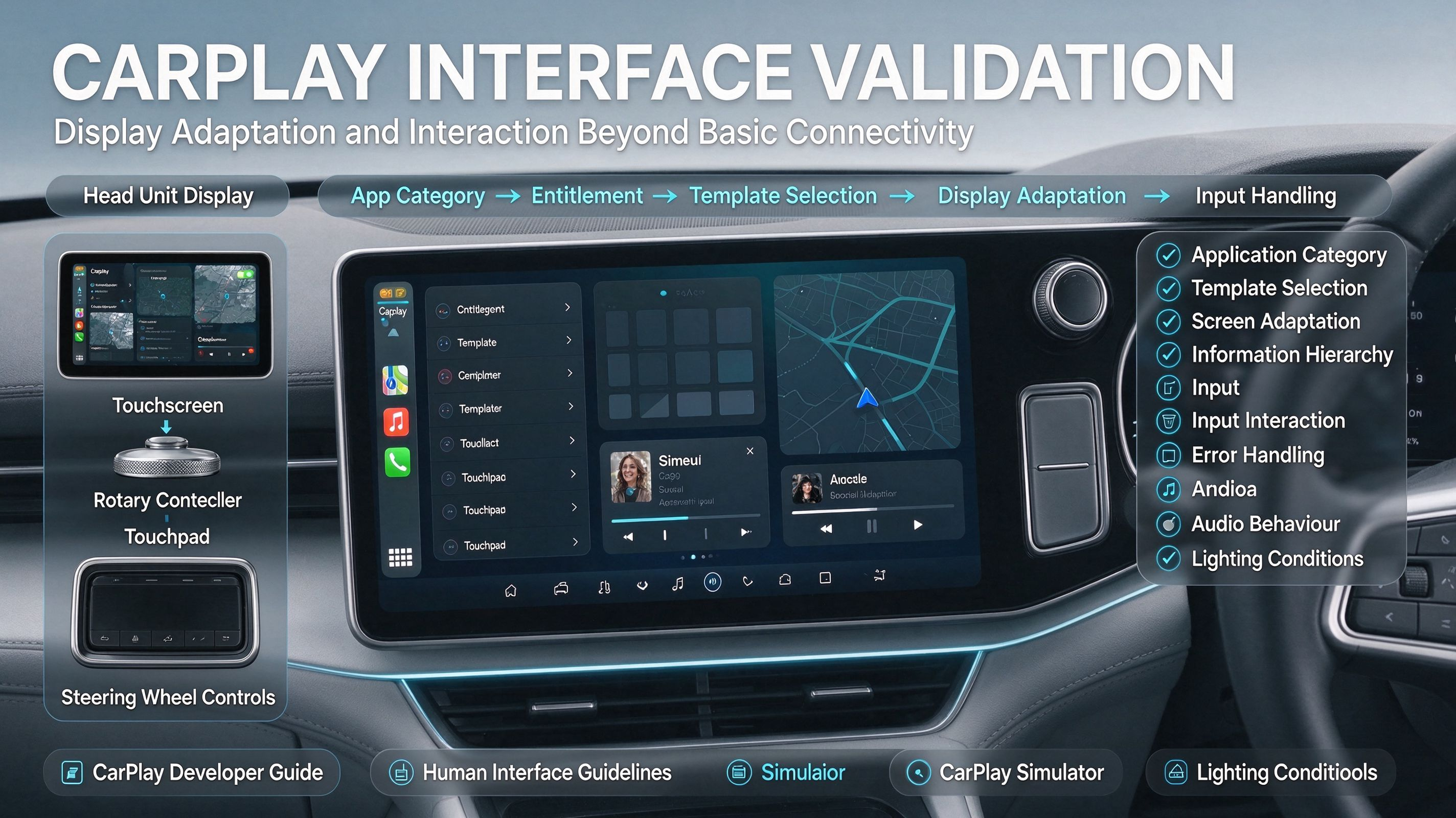
Does Your CarPlay Interface Really Fit the Vehicle? Display and Interaction Need More Than B
記事を読む
 ブログ
Why The Best Compliance Strategy Is To Design Products That Never Need Retesting
記事を読む
 ブログ
Why Automotive Connectivity Certification Is No Longer About One Test—It's About Buildi
記事を読む
関連サービス

 4000259520