
 English
 Français
 Español
 العربية
 繁体中文
 简体中文


Investigating Adjacent-Channel Interference in DAB+ Systems
Technical Testing & Certification Support | Blue Asia Testing
Contact: Olivia Wang Email: [email protected]
A DAB+ receiver may perform well under ideal RF conditions. But what happens when strong signals occupy neighboring channels?
In automotive radio development, reception performance should not be evaluated solely under favorable signal conditions. The RF environment can become more challenging when multiple signals coexist, making receiver performance and interference handling important areas for investigation.
1. Why Adjacent-Channel Interference Matters
Adjacent-channel interference occurs when signals in neighboring frequency channels potentially affect the reception of a desired signal.
Depending on the receiver design and RF environment, relevant factors may include:
The relative strength of the desired and interfering signals
Frequency separation between the signals
Receiver selectivity
RF front-end performance
Signal conditions and test configuration
The impact should be evaluated through testing rather than assumed from signal strength alone.
2. What Should Be Considered During Testing?
A structured test plan can help engineers investigate receiver behavior under different RF conditions.
Potential test considerations include:
Reference condition: Establish baseline receiver performance without an interfering signal.
Interfering signal level: Introduce controlled neighboring-channel signals at defined levels.
Signal relationship: Evaluate different ratios between the desired signal and the interfering signal.
Reception behavior: Monitor receiver performance and audio output under the selected conditions.
Repeatability: Keep test configurations consistent to allow comparison between samples and design revisions.
These are engineering considerations for test planning, not a universal DAB+ regulatory test procedure.
3. How to Make the Results Useful
A test result is more valuable when it can be connected to a specific RF condition.
Rather than recording only whether reception passed or failed, engineers should document:
Desired signal level
Interfering signal level
Frequency relationship
Receiver configuration
Observed performance
Test equipment and setup
This information can help identify whether a performance issue is related to the RF environment, receiver design, or another factor requiring further investigation.
4. Recommended Action Plan
For DAB+ receiver development and validation:
Define the intended operating environment and relevant RF scenarios.
Establish a baseline performance condition.
Identify neighboring-channel scenarios that may be relevant to the product.
Develop a repeatable test setup with controlled signal conditions.
Record results in a format that supports engineering comparison and troubleshooting.
Conclusion
DAB+ reception performance is worth evaluating beyond ideal laboratory conditions. A structured RF test plan can help product teams better understand receiver behavior, identify potential interference-related issues, and make more informed engineering decisions.
For automotive radio and wireless product development, RF testing and performance evaluation can provide valuable insight before products move into later validation stages.
Need support with your testing, certification or market access project?
Blue Asia Testing provides testing and certification support for wireless products, automotive electronics and global market access projects.
Feel free to contact me to discuss your project or testing requirements.
Olivia Wang Blue Asia Testing Email: [email protected]
 ブログ
USA: FCC new non-reciprocal economies regulations influencing testing laboratories
記事を読む
 ブログ
Vietnam: MST releases railway mobile communication band plan
記事を読む
ブログ
Vietnam to shut down 2G network completely in September
記事を読む
 ブログ
Automated Vehicle Marker Lamps: New UN Regulatory Developments
記事を読む
 ブログ
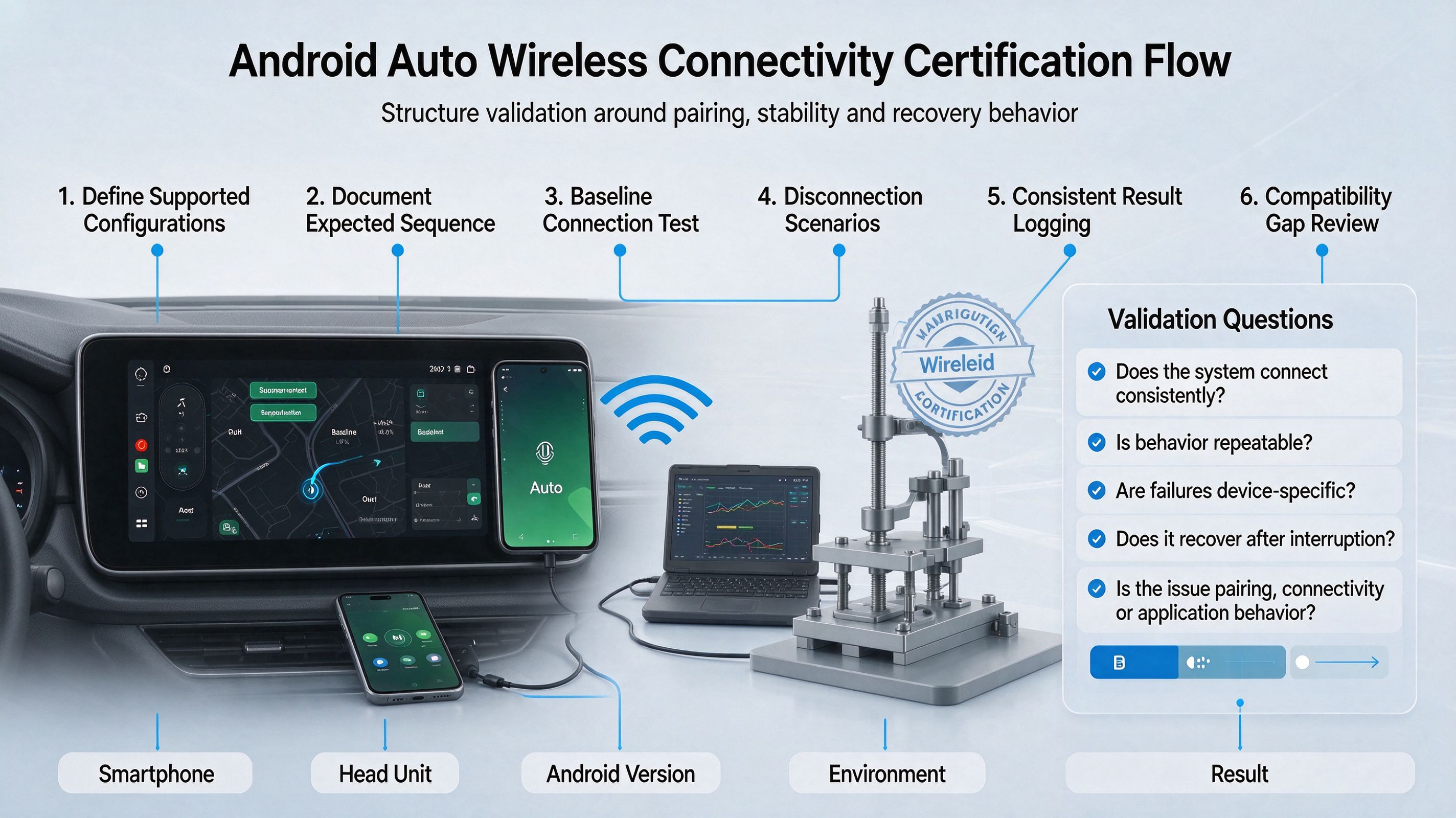
Planning Wireless Android Auto Pairing and Wi-Fi Connectivity
記事を読む
 ブログ
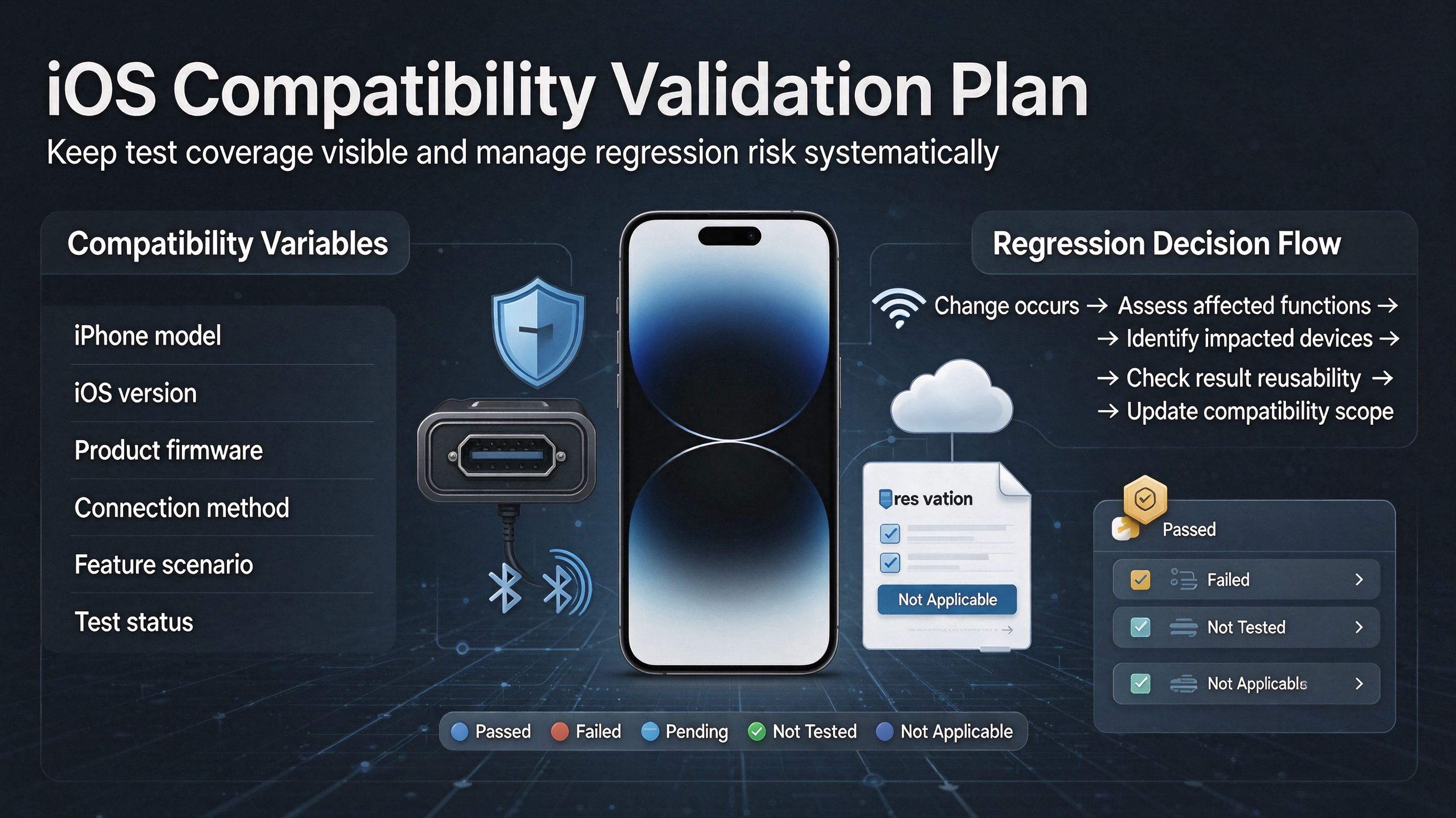
Building an iPhone and iOS Compatibility Test Matrix
記事を読む
関連サービス

 4000259520