
 English
 Français
 Español
 العربية
 繁体中文
 简体中文

DAB+ Audio Decoding: Common Integration and Compatibility Issues
Blue Asia | Digital Radio & Automotive Connectivity
Email: [email protected]
WhatsApp: +86 17663606879
Digital radio integration is not just about receiving a signal. A successful DAB+ implementation also depends on how the receiver processes, interprets, and presents audio and service information.
For automotive infotainment developers and radio receiver manufacturers, compatibility issues can arise at different stages of system integration — from signal processing to audio output and service information handling.
Understanding the DAB system architecture is a useful starting point when troubleshooting receiver performance.
1. Understanding the DAB system
ETSI EN 300 401 defines the DAB system for mobile, portable, and fixed receivers. It covers the DAB transmission signal, including audio and data multiplexing, channel coding, modulation, and system configuration.
DAB+ uses audio coding based on HE-AAC, with its own implementation and related technical specifications.
A receiver therefore needs to handle more than the RF signal itself. It must also process the relevant service information and audio data correctly.
2. Where can integration issues occur?
During development, engineering teams may need to investigate several areas:
Audio decoding and codec implementation
Review whether the receiver correctly handles the supported audio coding format, stream configuration, and decoder implementation.
Service and component information
DAB services contain structured information. Incorrect interpretation or handling of service components may affect service selection or presentation.
Service information and metadata
The handling of service identifiers, programme information, labels, and related data may influence the user experience and display behavior.
Receiver integration
Audio output, software interfaces, system resource allocation, and interaction with the vehicle infotainment platform should be reviewed as part of integration.
These are engineering troubleshooting areas rather than a claim that ETSI mandates a specific debugging method.
3. What should developers check before validation?
Before conducting receiver or system validation, consider reviewing:
Supported DAB/DAB+ configurations and relevant standards
Audio decoder implementation and supported stream parameters
Service information handling and display logic
Receiver software and firmware versions
Audio routing and output configuration
Interfaces between the radio module and infotainment system
Test conditions and representative signal scenarios
A systematic review can help distinguish RF reception problems from decoding, software, or integration issues.
4. Why standards review matters
Digital radio implementation depends on the relevant specifications being correctly understood and applied.
ETSI publishes standards and technical documents covering DAB system characteristics, implementation, service information, and related technologies. The specific documents applicable to a product should be determined according to its design and intended functionality.
Using the correct technical references during development can help reduce avoidable compatibility issues and make troubleshooting more structured.
How Blue Asia Can Support Your Project
Blue Asia provides testing and certification-related services for electronic products and automotive electronics, including wireless, EMC, Bluetooth BQB, and DAB+ related testing support.
If you are developing a DAB+ receiver, automotive radio module, or infotainment product, we can discuss your project requirements and relevant testing scope.
Contact us to discuss your project.
Email: [email protected]
WhatsApp: +86 17663606879
 ブログ
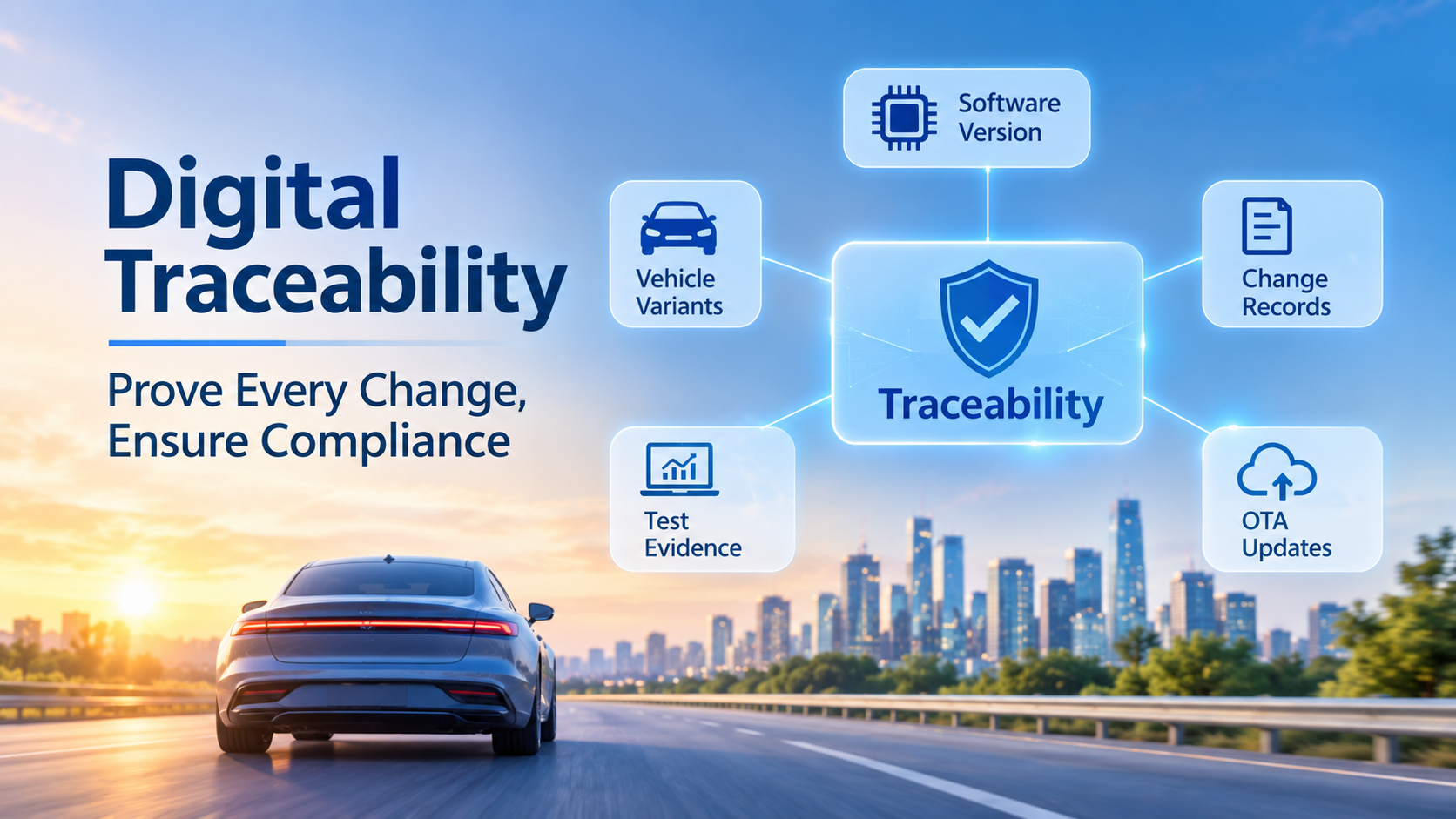
Why Future Vehicle Certification Will Depend On Digital Traceability
記事を読む
 ブログ
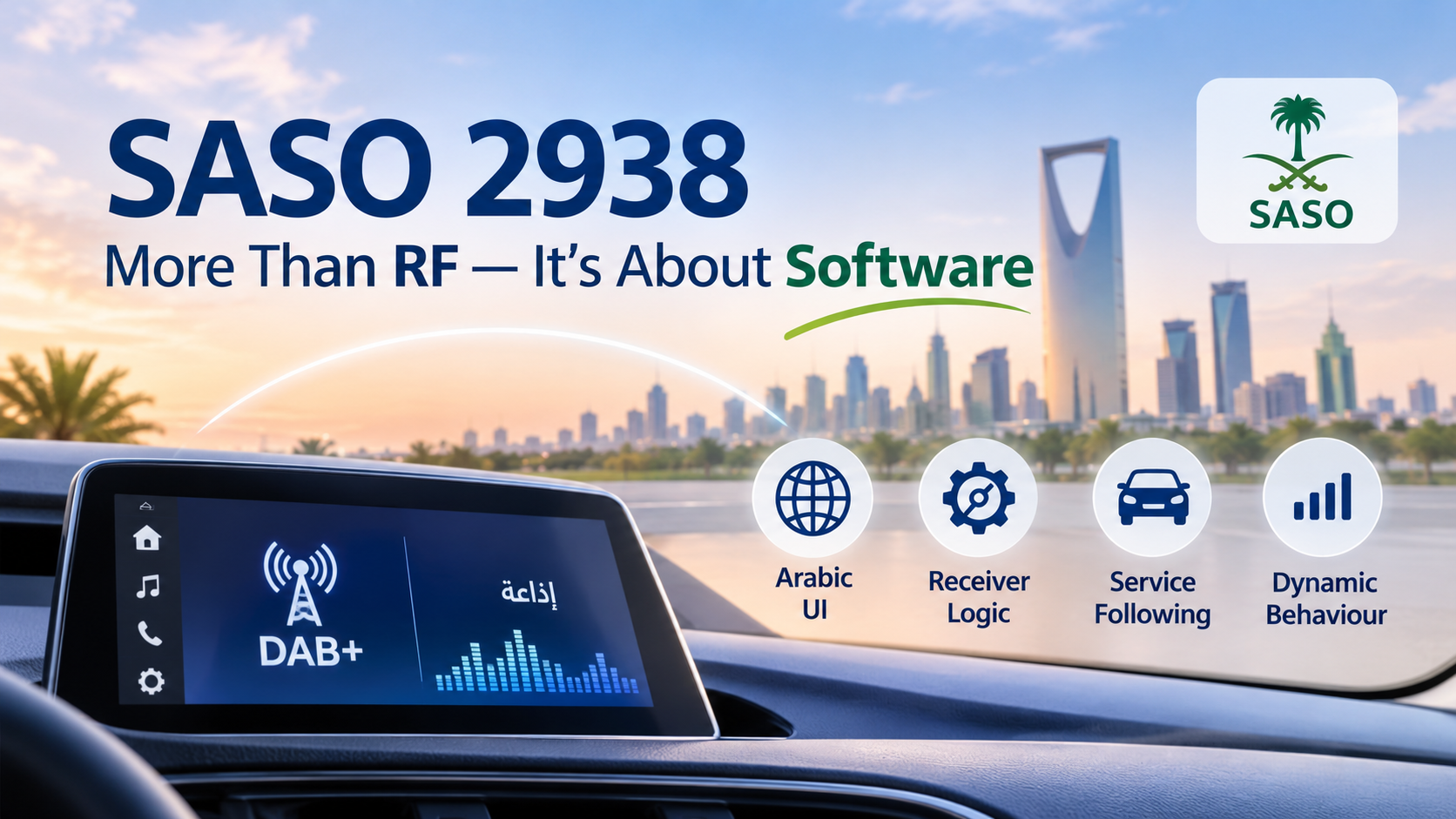
Why SASO 2938 Is Becoming a Software Validation Project
記事を読む
 ブログ
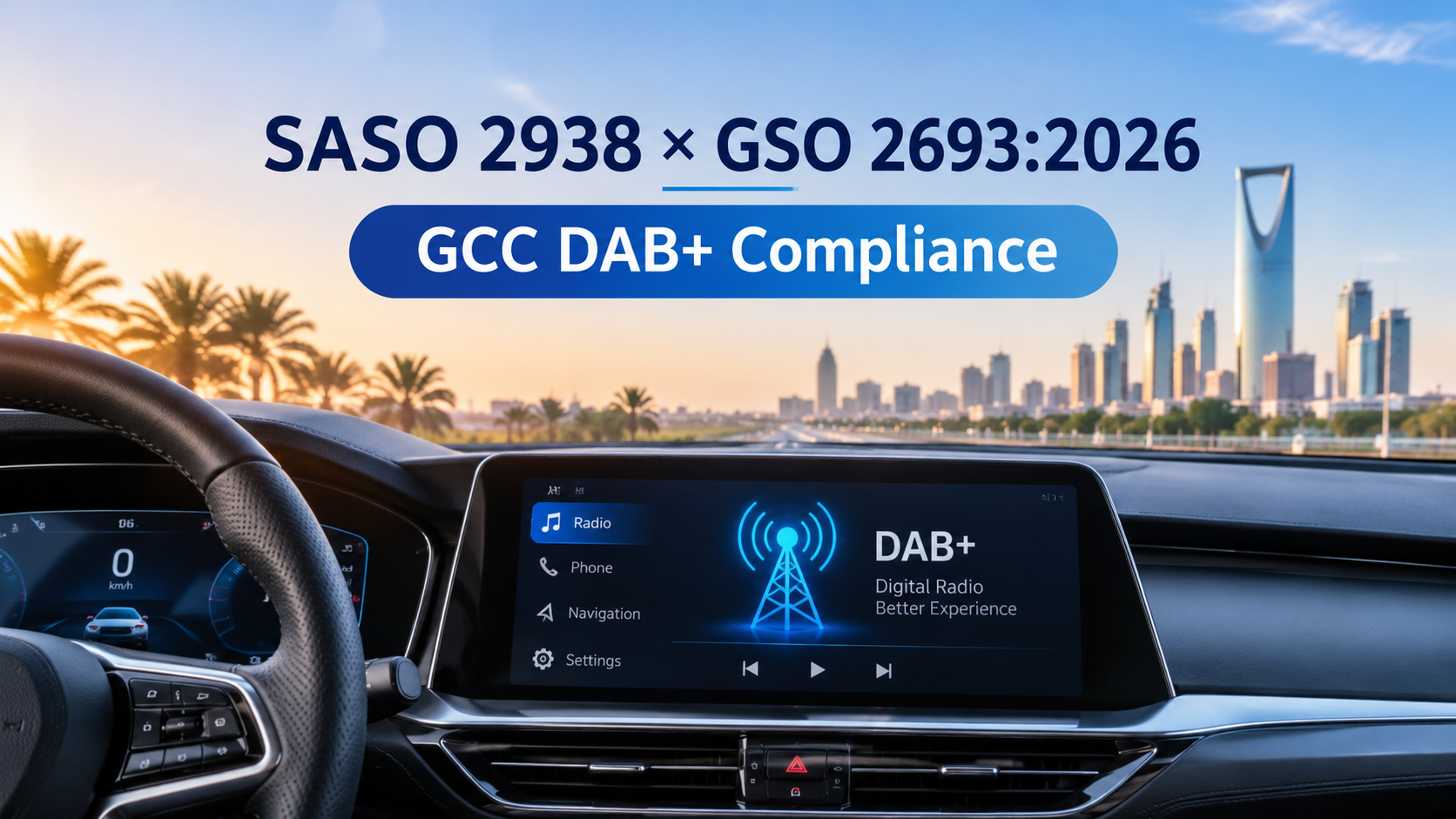
SASO 2938 vs GSO 2693: What the 2026 GCC DAB+ Requirements Mean for In-Vehicle Radio Receive
記事を読む
 ブログ
Your UWB Digital Key Passed RF Testing. Is It Ready for Real Vehicle Access?
記事を読む
 ブログ
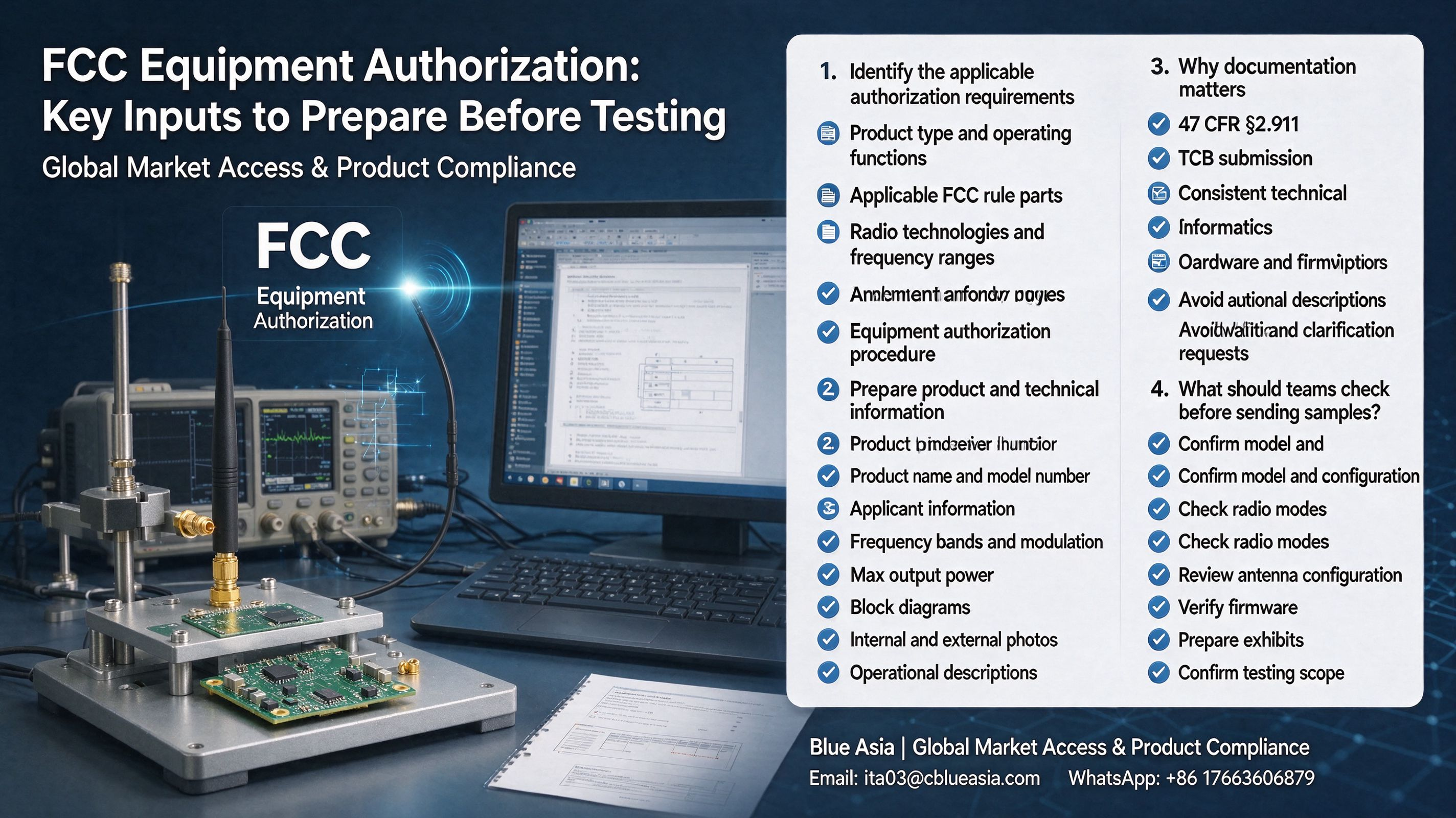
FCC Equipment Authorization: Key Inputs to Prepare Before Testing
記事を読む
 ブログ
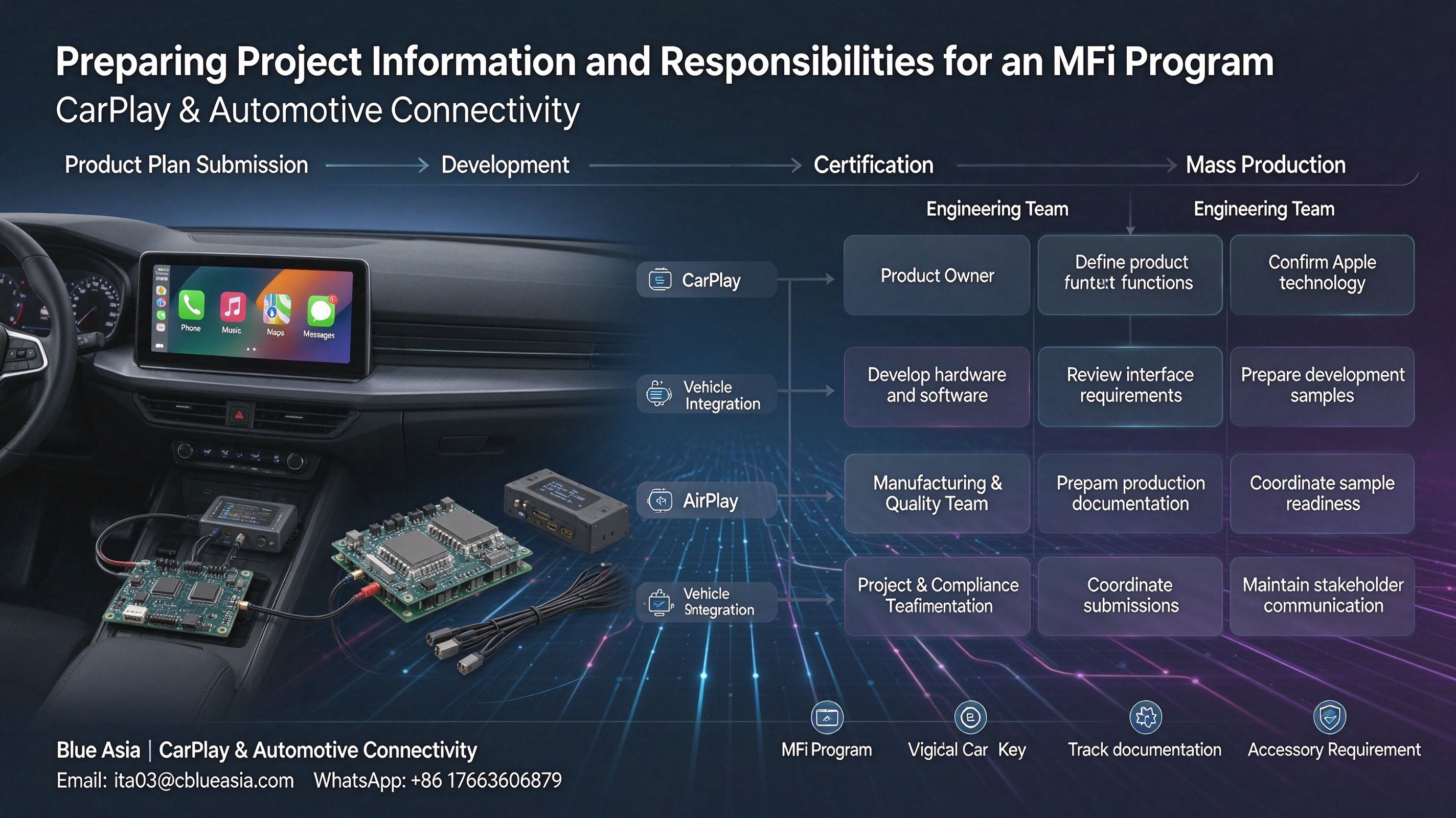
Preparing Project Information and Responsibilities for an MFi Program
記事を読む
関連サービス

 4000259520