
 English
 Français
 Español
 العربية
 繁体中文
 简体中文


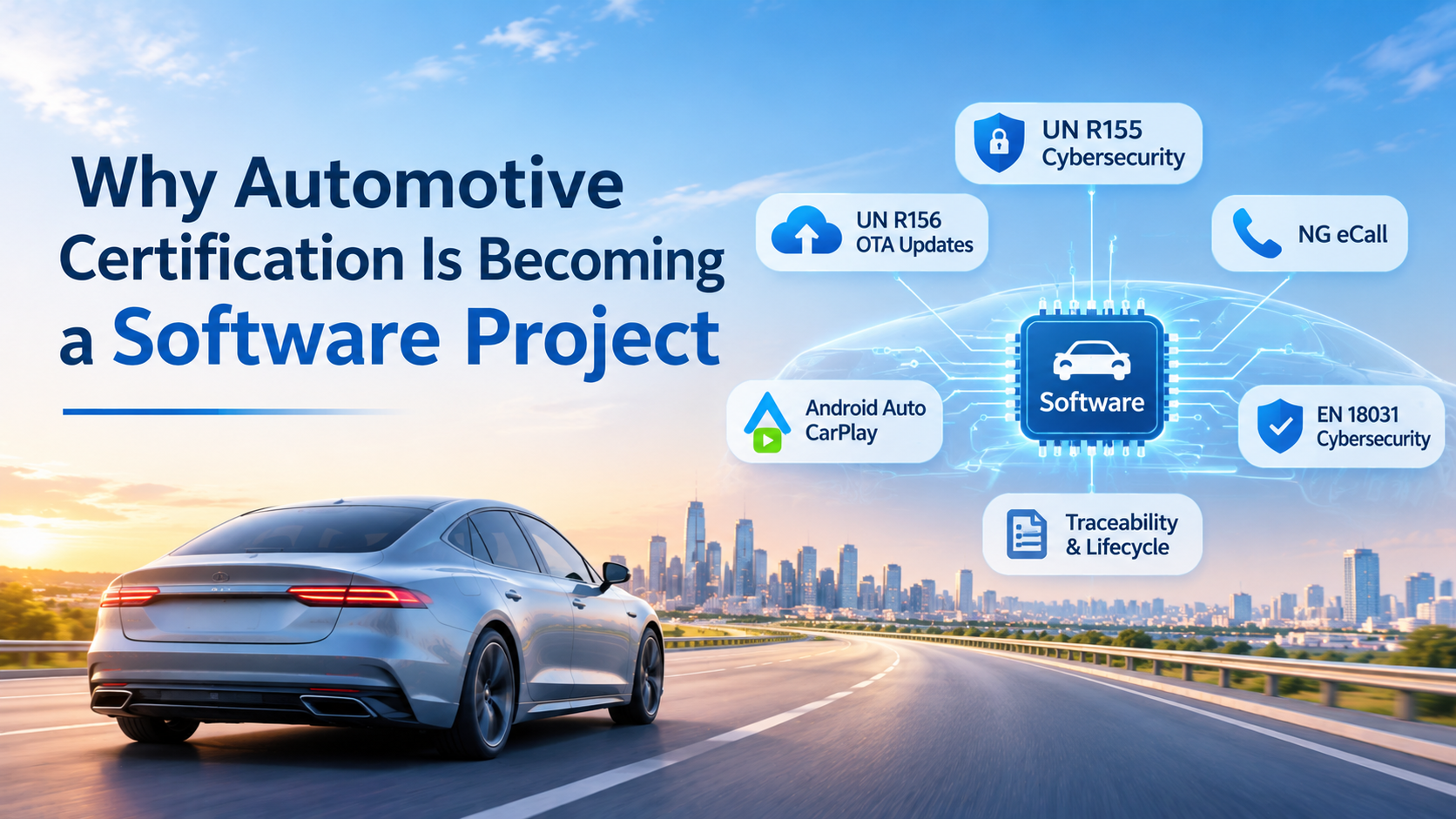
Why Automotive Certification Is Becoming a Software Project
Ten years ago, automotive certification was mostly about hardware.
Today, software is causing more certification delays than hardware.
The shift is happening quietly—but it's transforming the entire automotive industry.
Many automotive manufacturers and Tier 1 suppliers still approach certification the same way they did a decade ago.
The hardware is finalized.
The product passes EMC and RF testing.
The certification process begins.
But modern connected vehicles no longer work that way.
Today, certification doesn't stop at hardware performance. Increasingly, it evaluates how software behaves, how it is managed, how it is updated, and how it is secured throughout the vehicle's lifecycle.
This is why more engineering teams are discovering that their biggest compliance risk is no longer the PCB—it is the software version.
The Industry Has Changed Faster Than Many Compliance Processes
A modern vehicle is no longer just an electronic product.
It is a continuously evolving software platform.
Today's connected vehicles may include:
OTA software updates
Cloud connectivity
Vehicle apps
Digital cockpit systems
Android Auto
Apple CarPlay
eCall / NG eCall
AI-assisted driving functions
Cybersecurity monitoring
Unlike hardware, software keeps changing after the vehicle enters production.
That changes the way certification must be managed.
Instead of proving compliance once, manufacturers increasingly need to maintain compliance throughout the product lifecycle.
Why Software Now Determines Certification Success
Several major automotive regulations now focus directly on software rather than hardware.
UN R155 – Cybersecurity Management
UN R155 requires manufacturers to demonstrate that cybersecurity risks are identified, managed, and controlled throughout the vehicle lifecycle.
Compliance is no longer limited to physical components.
Authorities increasingly review:
Software architecture
Security controls
Vulnerability management
Software update processes
Configuration management
Cybersecurity has become an ongoing engineering activity rather than a one-time approval.
UN R156 – Software Update Management
OTA updates have become standard in modern vehicles.
However, every software update introduces potential compliance risks.
UN R156 requires manufacturers to establish a Software Update Management System (SUMS) that ensures updates are:
Controlled
Traceable
Verified
Properly documented
A software update that appears insignificant may require additional validation if it affects regulated vehicle functions.
NG eCall
Many engineers believe NG eCall is simply a telecommunications upgrade.
In reality, NG eCall introduces:
IMS communication
Packet-switched architecture
Software session management
Network interoperability
Software reliability becomes just as important as RF performance.
A communication failure may now originate from software logic rather than hardware.
Android Auto and Apple CarPlay
Modern smartphone integration is also becoming software-centric.
Passing certification depends on much more than connecting a phone.
Manufacturers must manage:
Software compatibility
Version synchronization
Protocol implementation
Wireless communication stability
Regression testing
A firmware update can unintentionally affect Android Auto or CarPlay performance, even when no hardware changes have occurred.
EN 18031
The new cybersecurity requirements under EN 18031 further demonstrate this transition.
Manufacturers must provide evidence for:
Asset identification
Threat analysis
Security controls
Secure software behavior
Risk assessment
Certification increasingly evaluates software design—not just radio performance.
Software Version Is Becoming a Compliance Document
One of the biggest changes in automotive compliance is the growing importance of software version control.
Many companies still record software versions simply for internal engineering purposes.
Today, regulators and OEMs increasingly expect software versions to be linked to:
Test reports
Certification documents
Technical files
Vehicle configuration
Production records
If the software changes after certification, manufacturers must determine whether:
Additional testing is required
A delta assessment is needed
Documentation must be updated
Regulatory notifications are necessary
The software version is no longer just an engineering reference.
It has become part of the compliance evidence.
Traceability Is the New Competitive Advantage
Another major trend is traceability.
Automotive companies are now expected to demonstrate:
Which software version was tested
Which hardware revision was certified
Which vehicle configuration entered production
Which OTA update changed the system
Which security controls were modified
Without complete traceability, certification becomes increasingly difficult to maintain.
Many project delays occur not because software is defective, but because engineering teams cannot clearly demonstrate what changed.
The Real Cost Isn't Certification—It's Poor Software Management
Many companies focus on laboratory testing costs.
However, the largest expenses often come later.
Poor software configuration management may lead to:
Repeat testing
Additional documentation
OTA revalidation
Delayed SOP
Engineering rework
Extended OEM reviews
For large vehicle programs, these delays can easily cost tens of thousands—or even hundreds of thousands of U.S. dollars, far exceeding the original certification budget.
The most expensive software bug is often the one that creates a compliance issue after validation has already been completed.
How Automotive Companies Can Prepare
The industry's leading manufacturers are changing their approach.
Instead of treating certification as the final milestone, they integrate compliance into software development from the beginning.
A practical strategy includes:
✔ Establish software version control before testing begins.
✔ Freeze software configurations before certification.
✔ Maintain complete traceability between hardware, firmware, and reports.
✔ Evaluate compliance impact before every OTA release.
✔ Coordinate cybersecurity, software, and certification teams throughout development.
This approach significantly reduces compliance risks later in the project.
Final Thoughts
Automotive certification is no longer evolving around hardware alone.
It is becoming a software-driven process.
As regulations such as UN R155, UN R156, EN 18031, NG eCall, Android Auto, Apple CarPlay, and OTA continue to expand, manufacturers must think beyond testing individual components.
Future compliance will depend on software version management, configuration control, traceability, and lifecycle governance just as much as RF or EMC performance.
At BlueAsia, we help automotive manufacturers and Tier 1 suppliers prepare for this new generation of compliance through software-related certification planning, cybersecurity support, OTA compliance, RF testing, EMC testing, Android Auto, CarPlay, eCall, and global automotive certification services.
The future of vehicle certification is no longer just about passing tests.
It's about managing software throughout the entire vehicle lifecycle.
 ブログ
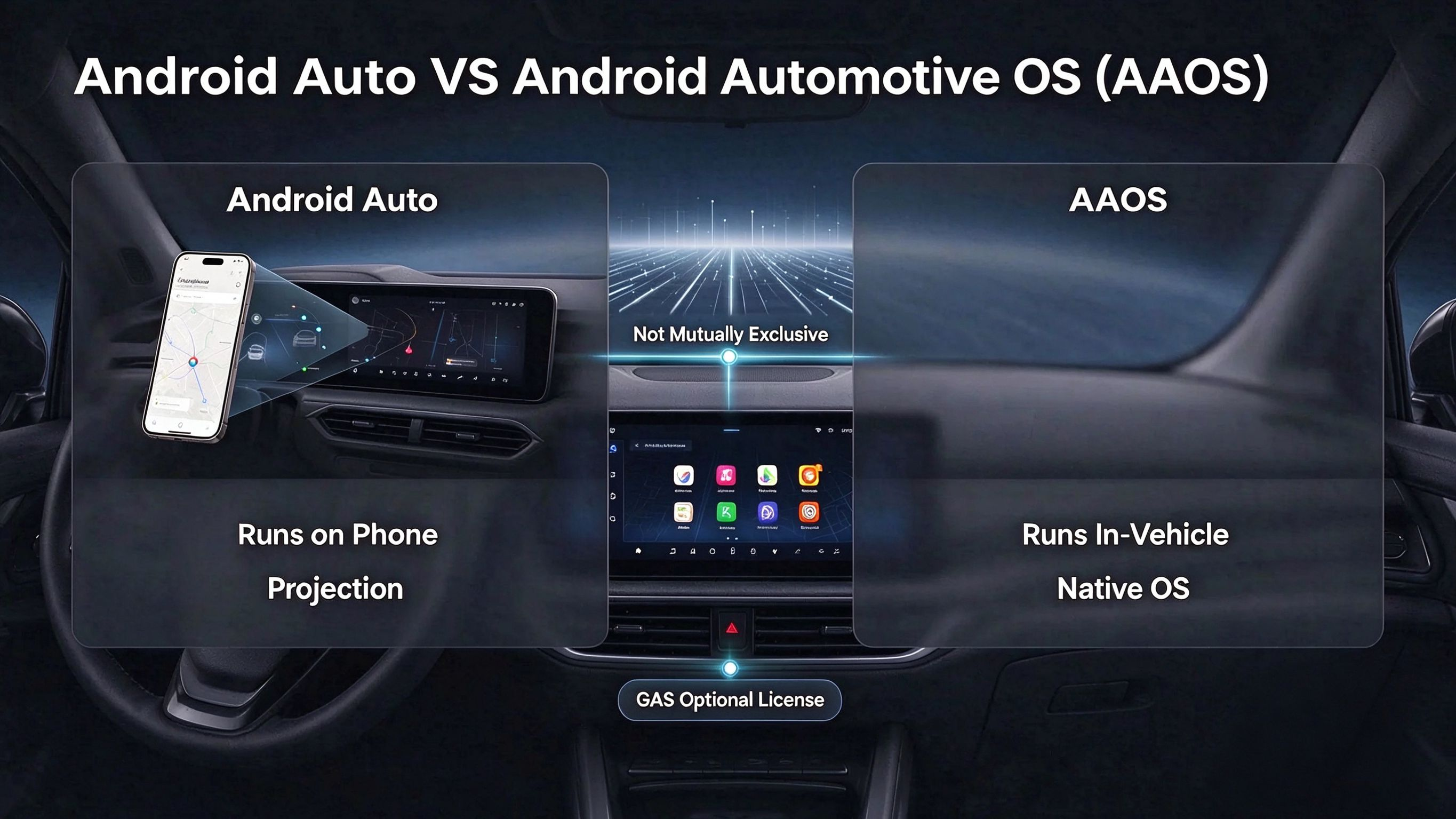
Distinguishing Android Auto from Android Automotive OS at Project Start
記事を読む
 ブログ
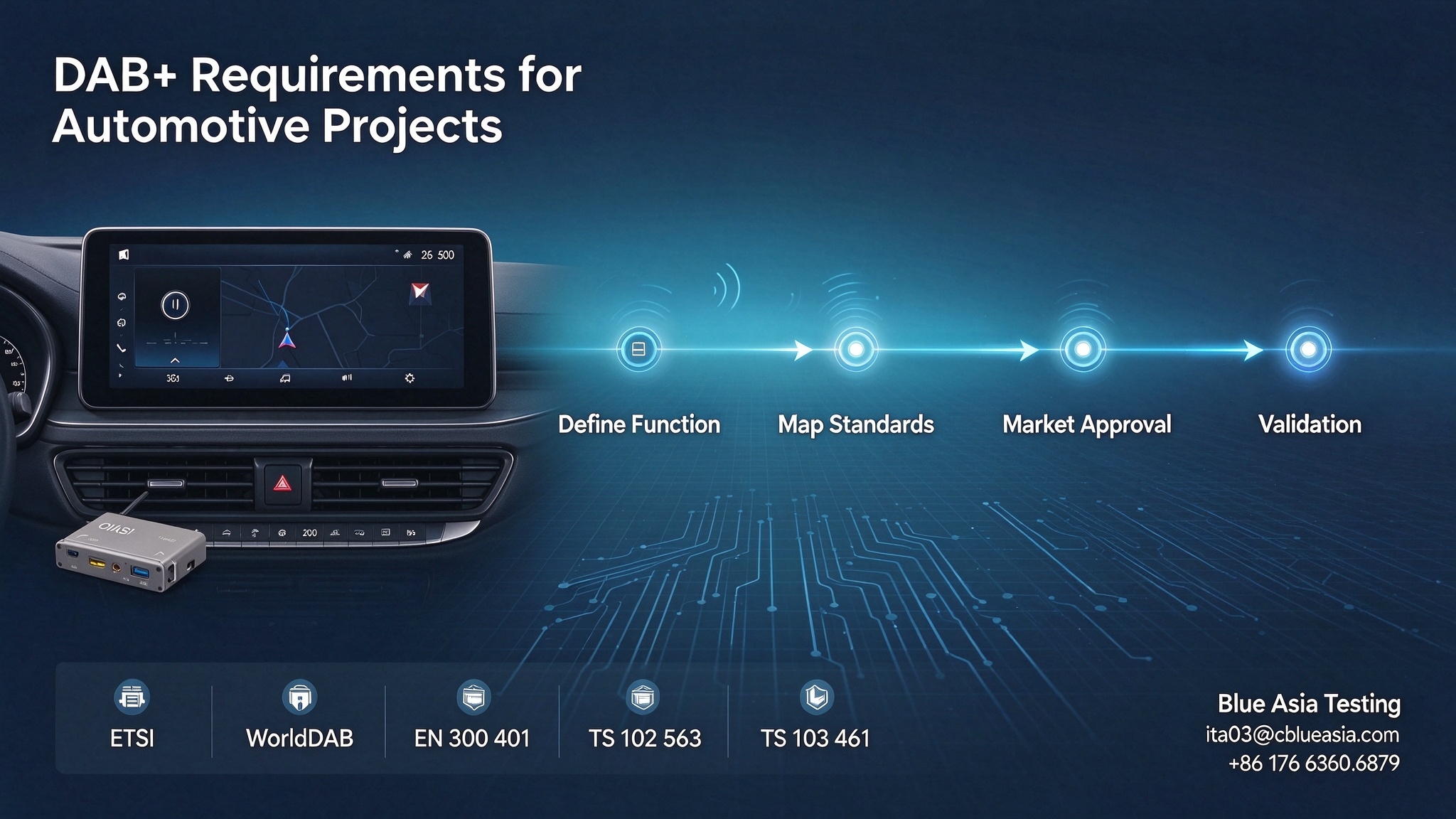
Defining DAB+ Requirements Before Starting an Automotive Project
記事を読む
 ブログ
Why Vehicle Type Approval Starts Before The First Prototype Exists
記事を読む
 ブログ
Why Automotive Certification Is Becoming a Software Project
記事を読む
 ブログ
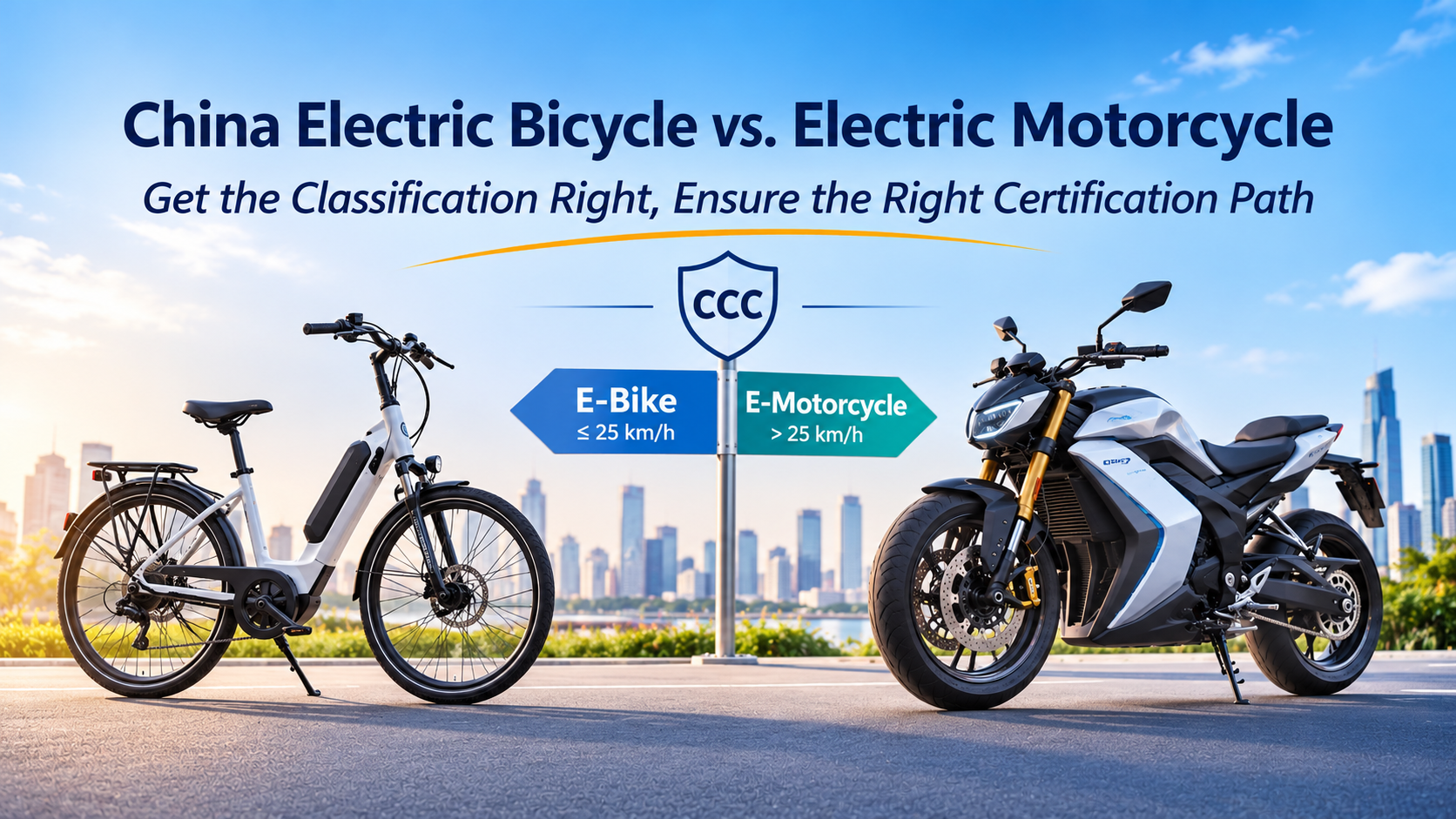
China Electric Motorcycle vs. E-Bike: Why Vehicle Classification Determines the Entire Certi
記事を読む
 ブログ
Your Vehicle Passed Type Approval. Can an OTA Update Make It Non-Compliant?
記事を読む
関連サービス

 4000259520