
 English
 Français
 Español
 العربية
 繁体中文
 简体中文


Qatar IoT Device Type Approval – CRA Requirements for Connected Products
Qatar IoT Device Type Approval: Why Connectivity Should Be Checked Before Product Launch
Qatar's digital transformation is creating demand for connected devices across smart buildings, industrial facilities, transportation and infrastructure projects.
As more equipment connects to mobile networks and wireless communication systems, regulatory compliance becomes an important part of bringing IoT products into the local market.
For manufacturers, one requirement deserves particular attention: Qatar's Communications Regulatory Authority (CRA) Type Approval framework.
Type Approval Applies to IoT Devices
Qatar's CRA has addressed IoT and Machine-to-Machine (M2M) equipment in its IoT regulatory position paper.
The framework states that IoT devices sold in Qatar require Type Approval according to their intended use and/or their connectivity with existing communication networks.
The objective is to protect network integrity and reduce the risks associated with poor-quality or non-compliant equipment.
This is important for manufacturers who may assume that a product is exempt from telecom approval simply because its main function is not communication.
A smart sensor, for example, may be designed for temperature monitoring or industrial automation, but its cellular or wireless interface still needs to be considered.
Which Products May Need Attention?
The requirement is relevant to a broad range of connected equipment, including:
Cellular IoT terminals and gateways
NB-IoT and other M2M devices
Wi-Fi-enabled smart home products
Bluetooth-connected equipment
Industrial monitoring and control devices
Wireless communication modules integrated into larger products
The specific approval requirements depend on the device, its radio technology and how it connects to local networks.
What Should Manufacturers Prepare?
A successful approval application starts with accurate product information.
Manufacturers should prepare the following technical details:
1. Radio specifications
Operating frequency bands, transmission power, modulation and supported wireless technologies should be clearly documented.
2. Test reports
Relevant RF and EMC reports should correspond to the actual hardware and radio configuration.
3. Product identification
Model numbers, manufacturer details and technical datasheets should be consistent throughout the application.
4. Network compatibility
For cellular products, manufacturers should check the applicable local network requirements and whether additional operator-related considerations apply.
5. Product modifications
Changes to radio modules, antennas or transmission parameters may affect the original technical assessment and should be reviewed before production.
One Product, Different Market Requirements
Many IoT manufacturers develop a single hardware platform for several international markets.
However, an approval obtained in Europe, the United States or another Gulf country should not automatically be assumed to cover Qatar.
Different regulators may apply different technical specifications, application procedures and documentation requirements.
For products targeting several GCC markets, a country-by-country compliance matrix is a practical way to identify the gaps before shipment.
Build Compliance into the Product Plan
As Qatar continues to expand its connected infrastructure, the demand for reliable and compliant IoT equipment is likely to grow.
Manufacturers that consider local radio approval early can avoid last-minute changes and make their market entry process more manageable.
Blue Asia Labs provides RF, EMC and IoT testing services, supporting manufacturers in preparing connected products for international market access.
 ブログ
Why Buses And Trucks Face Different Connectivity Challenges Than Passenger Cars
記事を読む
 ブログ
The Future Compliance Engineer Will Need to Understand Systems—Not Standards
記事を読む
 ブログ
Trucks and Buses Exported to the Middle East: Do eCall and DAB+ Apply the Same Way?
記事を読む
 ブログ
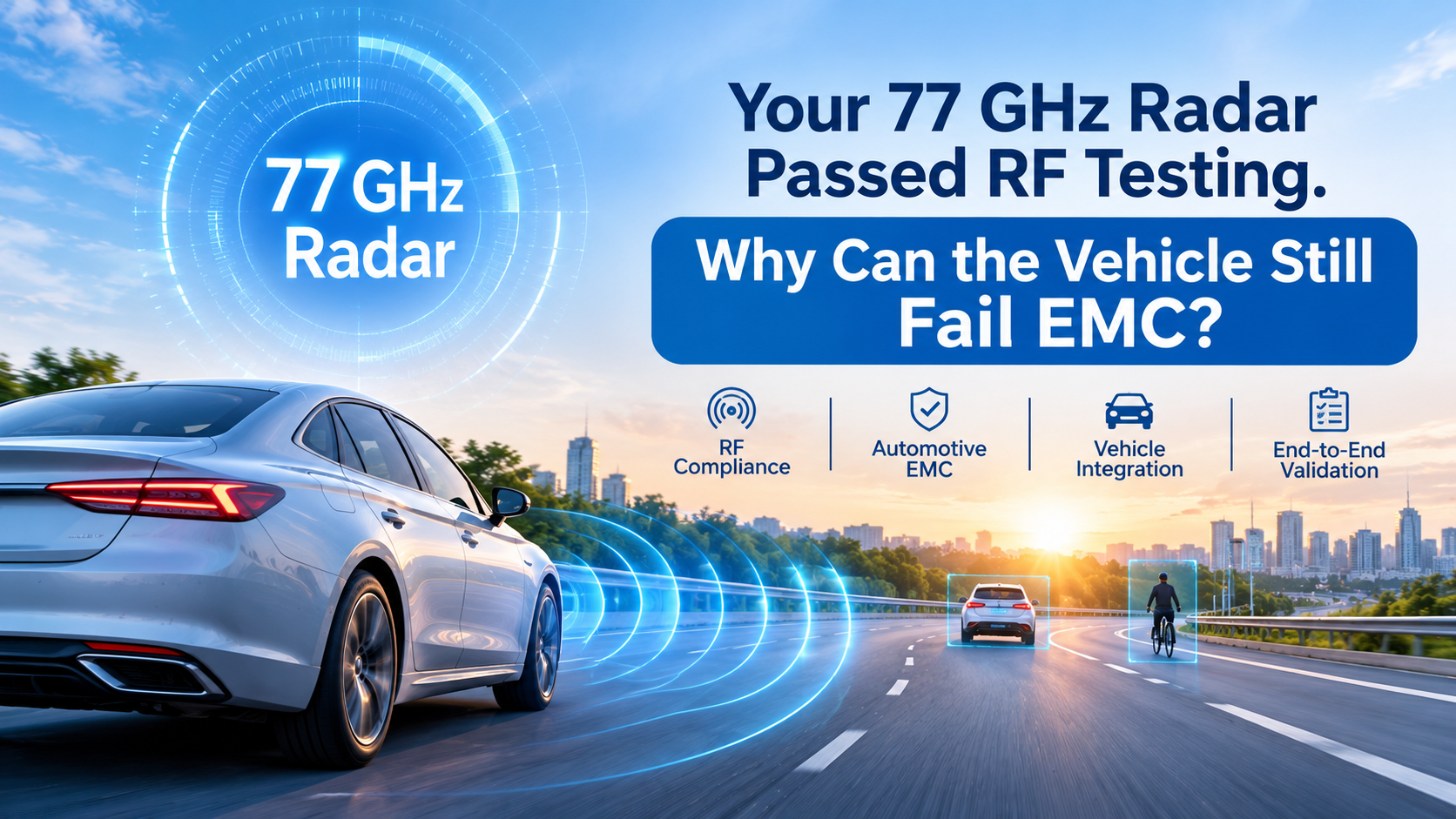
Your 77 GHz Radar Passed RF Testing. Why Can the Vehicle Still Fail EMC?
記事を読む
 ブログ
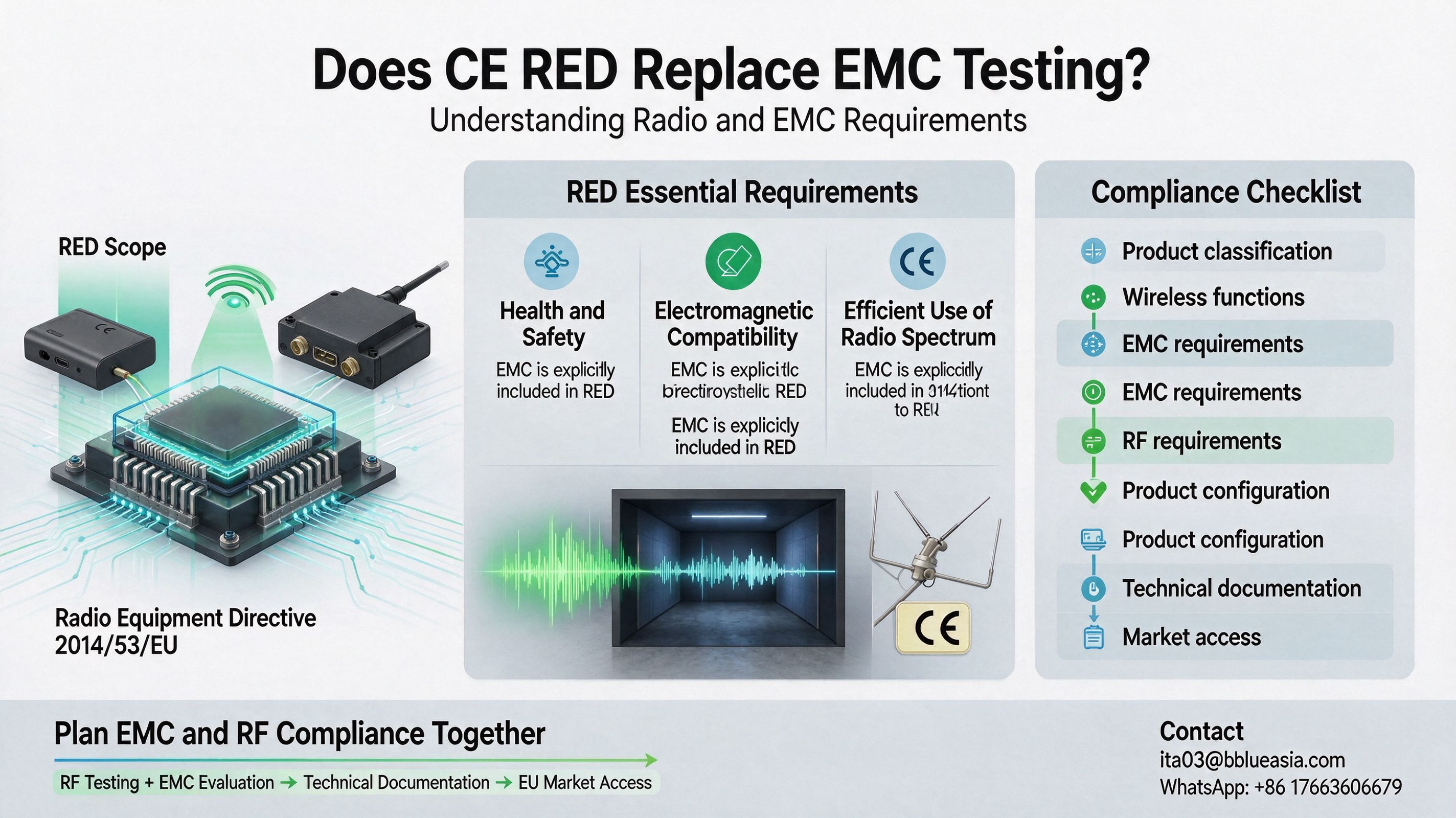
Does CE RED Replace EMC Testing? Understanding the Relationship Between Radio and EMC Requir
記事を読む
 ブログ
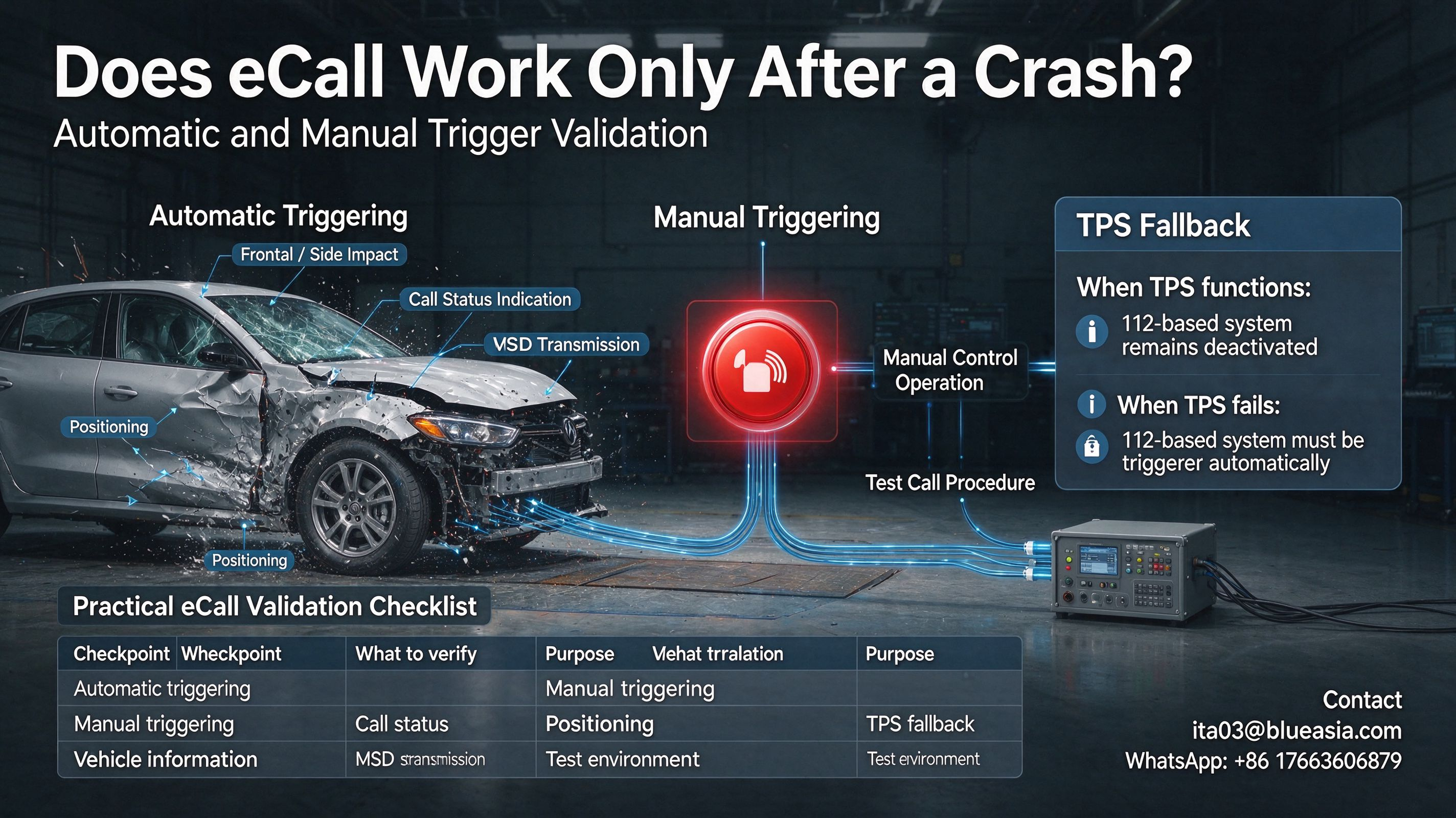
Does eCall Work Only After a Crash? Understanding Automatic and Manual Trigger Testing
記事を読む
関連サービス

 4000259520