
 English
 Français
 Español
 العربية
 繁体中文
 简体中文


Oman Telecom Type Approval – IoT and Wireless Device Requirements
Oman Telecom Type Approval: What IoT and Wireless Device Exporters Should Check Before Market Entry
Oman's digital infrastructure is creating opportunities for connected products across industrial, commercial and consumer markets.
From smart metering and industrial monitoring to wireless gateways and connected equipment, IoT technology is becoming increasingly relevant to the country's digital development.
For manufacturers planning to export these products to Oman, however, wireless functionality brings an important compliance consideration: local telecom equipment approval.
Telecom Equipment Approval in Oman
Oman's Telecommunications Regulatory Authority (TRA) oversees the approval of telecommunications equipment.
In June 2026, the official Gov.om service page for telecom device accreditation was updated, providing a useful reference for companies preparing approval applications.
According to the published service information, companies can apply for a type approval certificate valid for four years, subject to the applicable authority requirements.
The listed supporting documents include:
Certificate of Conformity
Technical inspection reports from an accredited laboratory
Technical specifications of the device
The published service indicates a processing time of approximately three days, although manufacturers should confirm the applicable process and timing with the authority before making project commitments.
Which Products Should Be Reviewed?
Manufacturers should pay particular attention to products containing radio communication functions, such as:
Wi-Fi and Bluetooth devices
Cellular IoT modules and gateways
Industrial wireless sensors
Smart meters and monitoring equipment
Wireless control and automation products
The exact approval route depends on the equipment and its intended use.
A product with several wireless interfaces may need a more detailed technical review than a device with a single communication function.
IoT Compliance Goes Beyond Radio Testing
Oman has also published national IoT guidelines addressing the broader IoT ecosystem.
These guidelines cover areas such as device security, authentication, data protection and service-provider responsibilities.
For example, the guidelines highlight the importance of mutual authentication, access control and security auditing.
They also address technical approvals for devices and systems before operation, as well as requirements concerning data management and service deployment.
This means manufacturers and IoT solution providers should consider more than just the RF performance of the hardware.
A Practical Checklist for Exporters
Before shipping a connected product to Oman, manufacturers should review:
Radio configuration: Check the operating frequency bands, output power and wireless technologies.
Test documentation: Ensure that the available RF, EMC and safety reports match the actual product configuration.
Product identification: Keep model numbers, hardware versions and technical datasheets consistent across the application documents.
IoT deployment: For larger projects, clarify whether the product is simply being supplied as equipment or forms part of a wider IoT service.
Approval validity: Check the certificate validity and whether product modifications may require an updated approval.
Plan for Compliance Before Shipment
Oman offers opportunities for IoT and wireless technology suppliers, but market access should be considered during product planning rather than left until the shipment stage.
For manufacturers exporting wireless products to the region, a clear understanding of local approval requirements can help reduce documentation problems and unnecessary delays.
Blue Asia Labs supports RF, EMC, wireless connectivity and IoT product testing, helping manufacturers prepare technical evidence for international compliance assessments.
 ブログ
Why Buses And Trucks Face Different Connectivity Challenges Than Passenger Cars
記事を読む
 ブログ
The Future Compliance Engineer Will Need to Understand Systems—Not Standards
記事を読む
 ブログ
Trucks and Buses Exported to the Middle East: Do eCall and DAB+ Apply the Same Way?
記事を読む
 ブログ
Your 77 GHz Radar Passed RF Testing. Why Can the Vehicle Still Fail EMC?
記事を読む
 ブログ
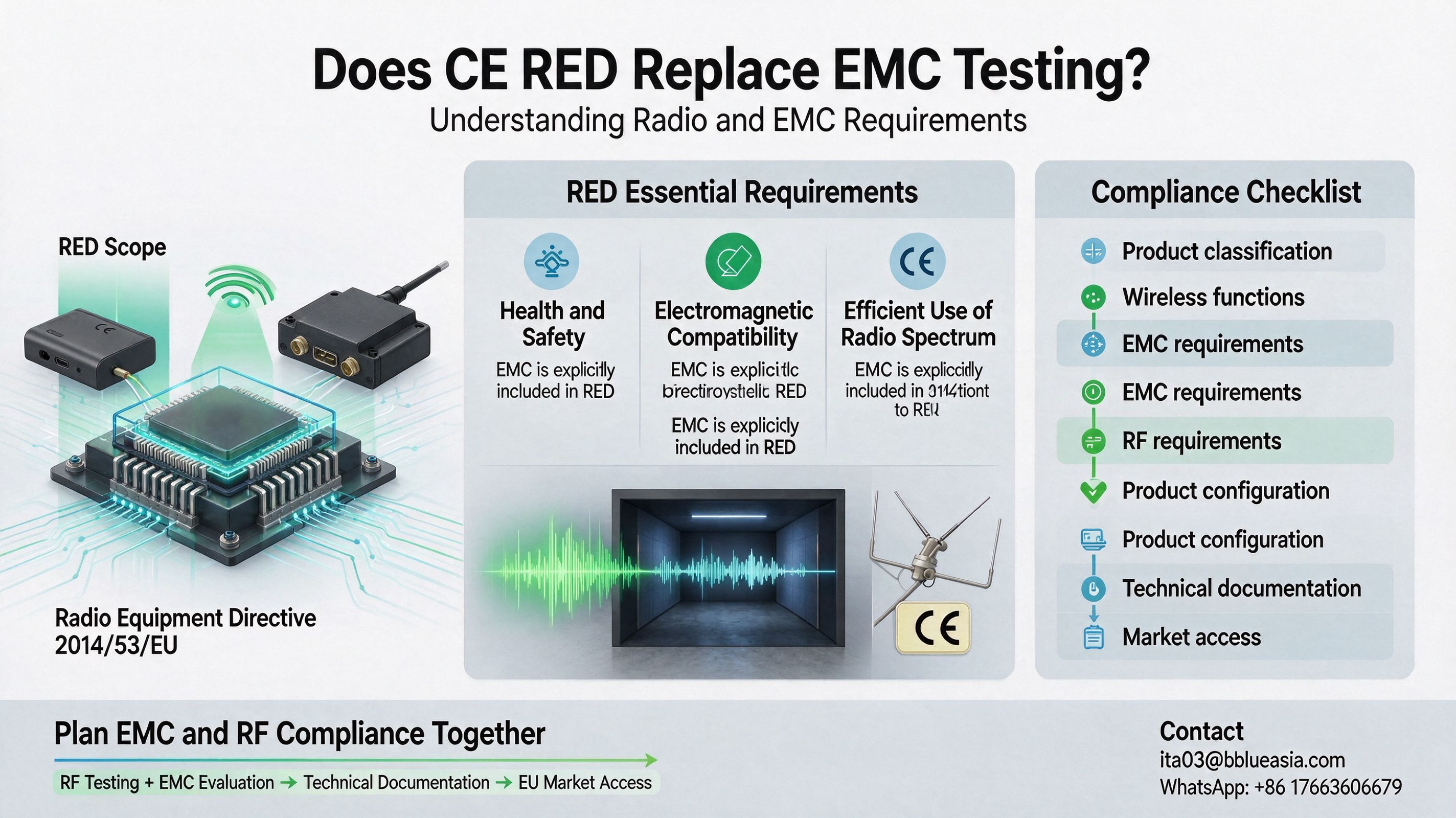
Does CE RED Replace EMC Testing? Understanding the Relationship Between Radio and EMC Requir
記事を読む
 ブログ
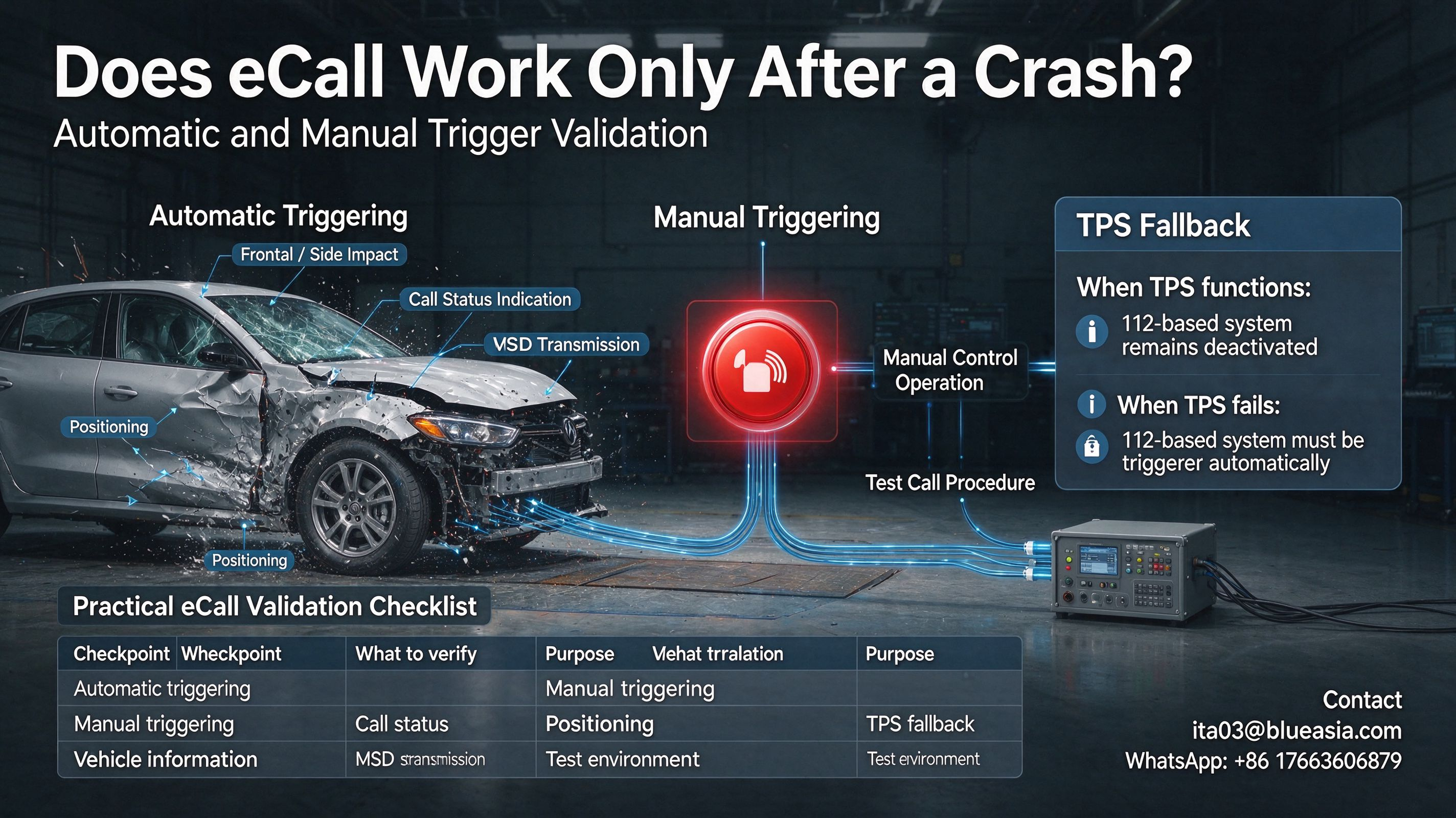
Does eCall Work Only After a Crash? Understanding Automatic and Manual Trigger Testing
記事を読む
関連サービス

 4000259520